


News
TEL:18925129293


Vacuum Degassing Mixer: Key Technology for Improving the Performance of Two-Component Polyurethane Adhesive
date:2026-09-17author:小施In the field of high-end industrial manufacturing, the performance and quality of two-component polyurethane adhesives are directly related to structural safety. This type of adhesive undergoes rapid chemical reaction after mixing Component A (isocyanate) and Component B (polyol/catalyst), accompanied by the release of CO₂ gas. Traditional mechanical stirring tends to introduce bubbles which are difficult to eliminate, resulting in porous structures after curing and a notable decline in mechanical properties.
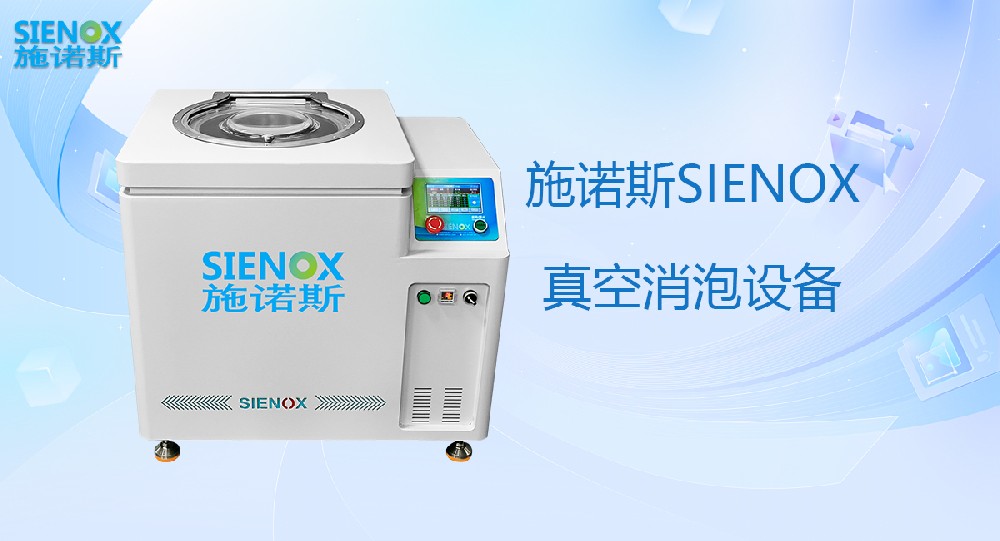
SIENOX Sinos non-contact vacuum degassing mixer delivers a breakthrough solution for this technical challenge through an innovative working principle. Equipped with a unique revolution-rotation compound motion system, the equipment mixes materials via precisely controlled centrifugal force and shear force, completely avoiding contamination and secondary bubbles caused by contact with stirring paddles.
Its core technical advantages are reflected in three aspects:
First, centrifugal force generated by revolution pushes materials toward the container wall and forms a thin-layer distribution, greatly increasing the surface-area-to-volume ratio and facilitating bubble escape. Meanwhile, shear force from rotation ensures thorough mixing of components. The whole process proceeds under vacuum to efficiently remove microbubbles inside liquids.
Second, the equipment adopts a fully enclosed vacuum system capable of maintaining a high vacuum degree of -100KPa during mixing. This design guarantees that within the critical window before resin gelation, gas entrained during stirring can be effectively removed, and CO₂ generated in the early stage of reaction can be released in a timely manner.
Most importantly, the non-contact design greatly expands its application scope. It is suitable for mixing liquid-solid, liquid-liquid and solid-solid substances, covering multiple material systems such as phosphor powder, silicone, silver paste, aluminum paste, adhesives, ink, silver nanomaterials and battery slurries.
Verified by practical applications, the bubble rate of two-component polyurethane adhesive processed by this technology can be reduced to below 0.05% after curing, with shear strength increased by more than 50%, fully meeting stringent requirements in wind turbine blade bonding, building structural reinforcement and other fields. Especially for filled systems, non-contact stirring prevents filler breakage and preserves the integrity of material properties.
This innovative technology not only solves the degassing difficulty of polyurethane adhesives, but also provides a new technical route for mixing and processing various sensitive materials. It truly achieves the technical leap from "stirring and mixing" to "precision preparation", delivering more reliable technical support for high-end manufacturing industries.
Related recommendations
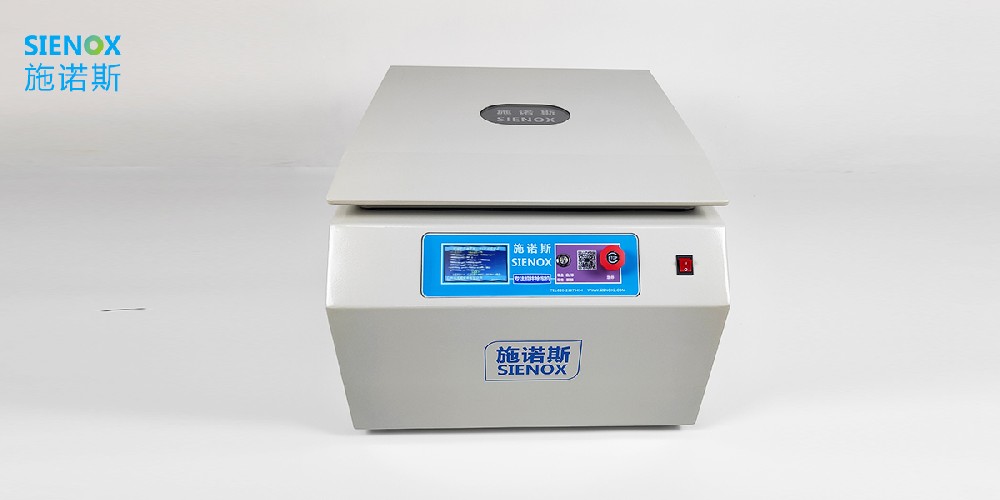
Centrifugal defoaming machine: An efficient tool for both laboratory and factory.
The extensive application fields of planetary defoaming machines.
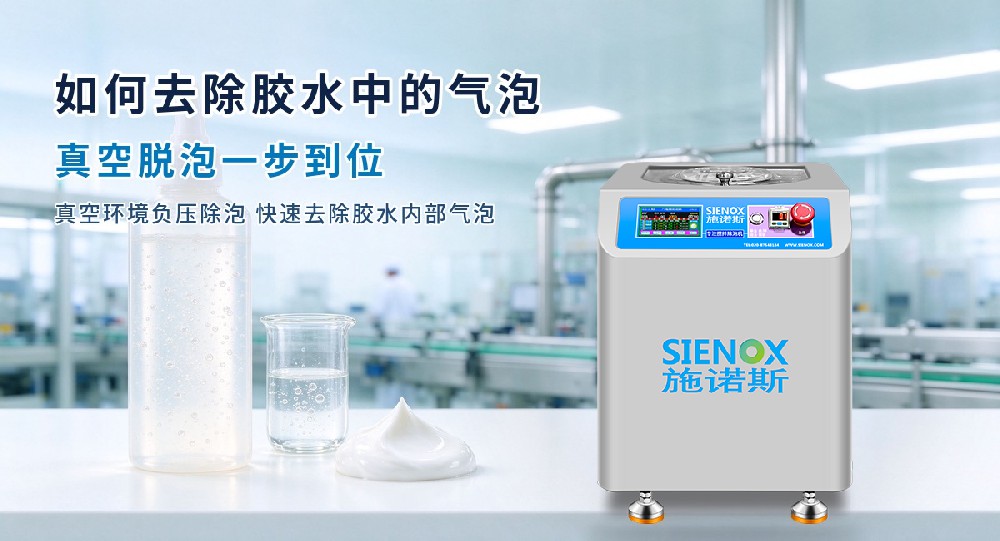
How to remove bubbles from glue
The application of vacuum stirring defoaming machine in the defoaming process of silver paste materials.
Perhaps you still need....
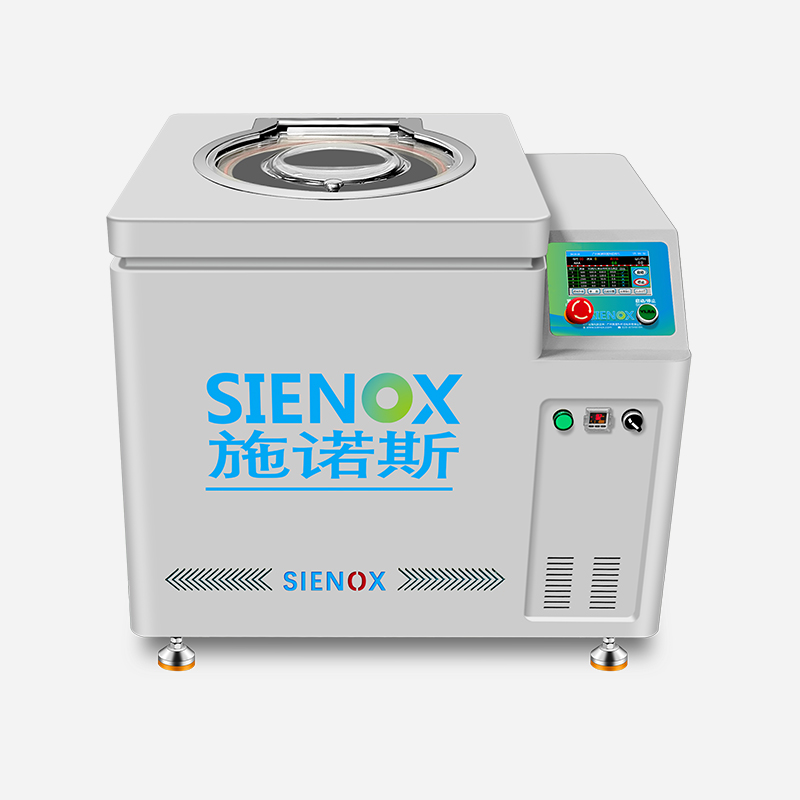
行星式真空脱泡搅拌机 SIE-MIX1000plus
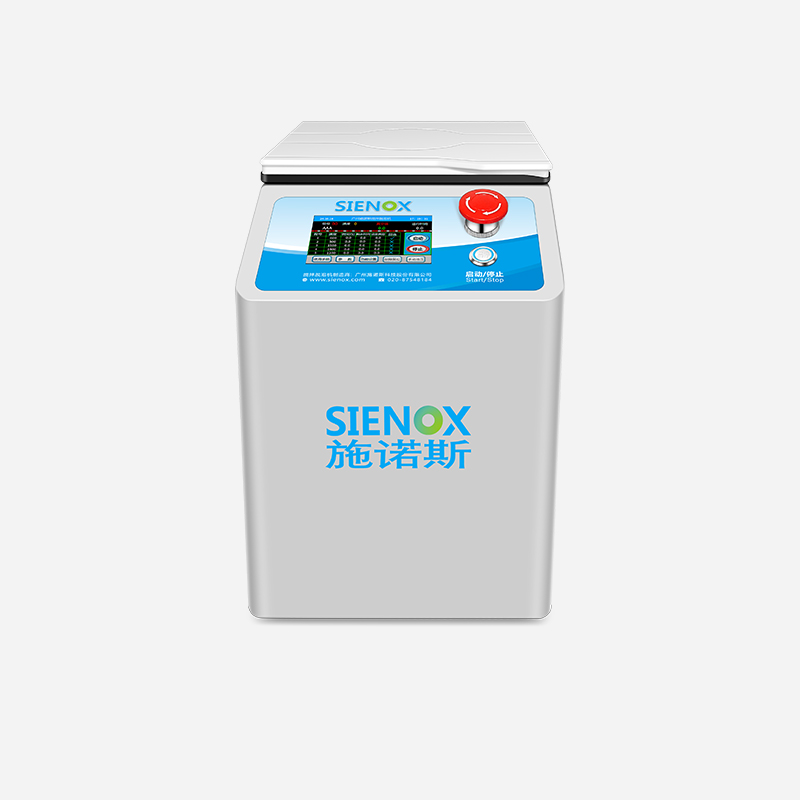
实验室行星式搅拌脱泡机 SIE-SV200
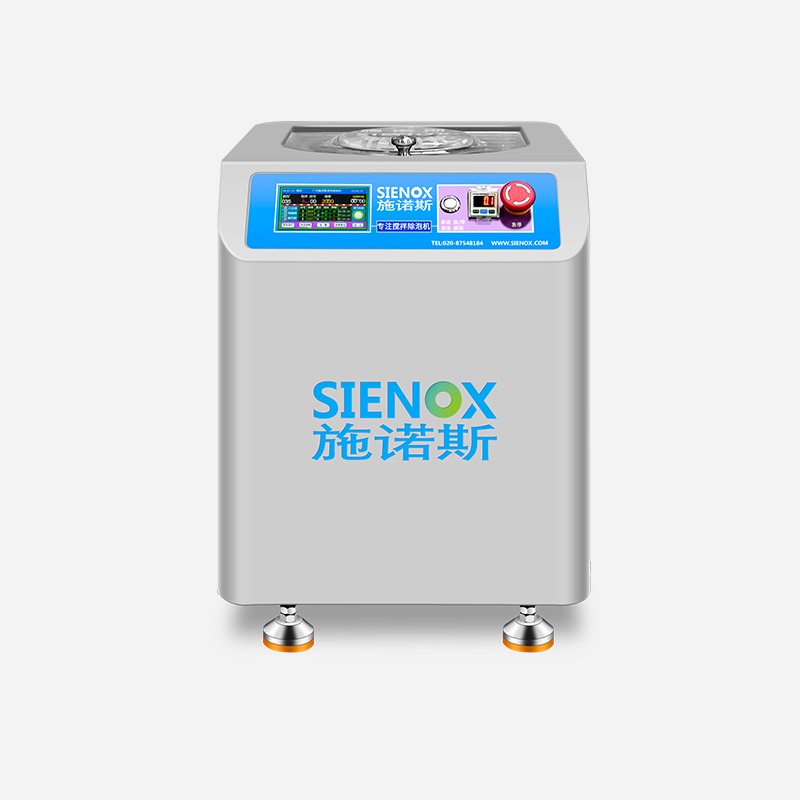
SIENOX行星式脱泡搅拌机 SIE-CV300
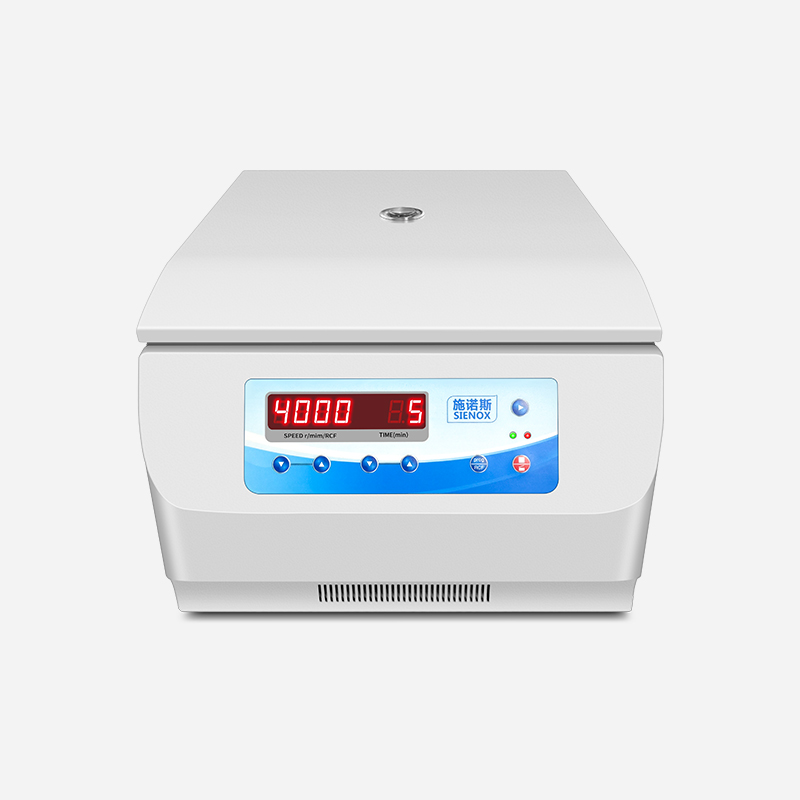
离心脱泡机 SIE-C006
About SIENOX
广州施诺斯(SIENOX),20年脱泡机设备研发与生产的源头厂家
超过1800种材料脱泡案例
纳米级脱泡,满足不同材料多段搅拌除泡需要,支持定制
资质齐全,荣获多项国家专利,联系我们可免费试样