


News from the laboratory

TEL:18925129293


Demand for Electronic Slurry Defoaming Machines Rises, Leading MLCC Manufacturers Adjust Product Lines
date:2026-09-17author:小施Murata Manufacturing, a leading MLCC manufacturer, recently issued an official notice stating that it will launch product line optimization in FY2026. It will discontinue some consumer-grade and automotive-grade MLCC part numbers to free up production capacity for high-value products used in AI servers. The adjustment of production capacity structure by the industry leader has further revealed supporting opportunities for China's domestic MLCC industrial chain, and also raised attention to the demand for upstream material processing equipment such as electronic slurry defoaming machines.
MLCC is one of the basic components widely used in electronic devices. The demand for high-capacitance MLCC from AI servers creates a siphon effect. High-capacitance products consume far more capacity per unit than ordinary products. Manufacturers in Japan and South Korea have shifted their production capacity toward high-capacitance and high-value-added products, leading to tighter supply of consumer-grade products. Price increases in the industrial chain are spreading from distributors to original manufacturers. Domestic MLCC producers and upstream material enterprises are facing a window of order spillover and import substitution. Upstream sectors including ceramic powder, electrode slurry and release film are expanding production simultaneously.
MLCC manufacturing is highly dependent on slurry quality. Ceramic slurry features high solid content and high viscosity. Uneven dispersion or residual bubbles will affect the thickness consistency of dielectric layers formed by casting, resulting in fluctuating capacitance performance or even component failure. Slurry defoaming before casting and printing serves as a critical step to control product yield. Sienox electronic slurry defoaming machines combine planetary revolution and rotation with vacuum environment. Materials are homogeneously mixed under compound motion, and vacuum negative pressure facilitates bubble removal. The equipment is suitable for dispersion and defoaming treatment of high-solid-content materials such as ceramic slurry and electrode slurry, helping production lines stably control batch consistency of slurry.
From the perspective of industrial chain structure, the product line adjustment of leading MLCC manufacturers and domestic enterprises undertaking spillover orders reflect that downstream demand is still in an expansion phase. The production expansion and process upgrading of upstream materials are advancing synchronously. Slurry processing equipment must not only meet current capacity requirements but also adapt to higher precision and efficiency.
The prosperity cycle of the MLCC industrial chain continues, and the equipment demand for electronic slurry processing keeps growing. Defoaming equipment capable of stably handling high-solid-content slurry will be more widely applied before casting, printing, stacking and other processes. Equipment manufacturers with planetary vacuum defoaming technology are expected to obtain more supporting opportunities amid this industrial chain expansion.
Related recommendations
Revealing how the vacuum defoaming machine performs glue defoaming
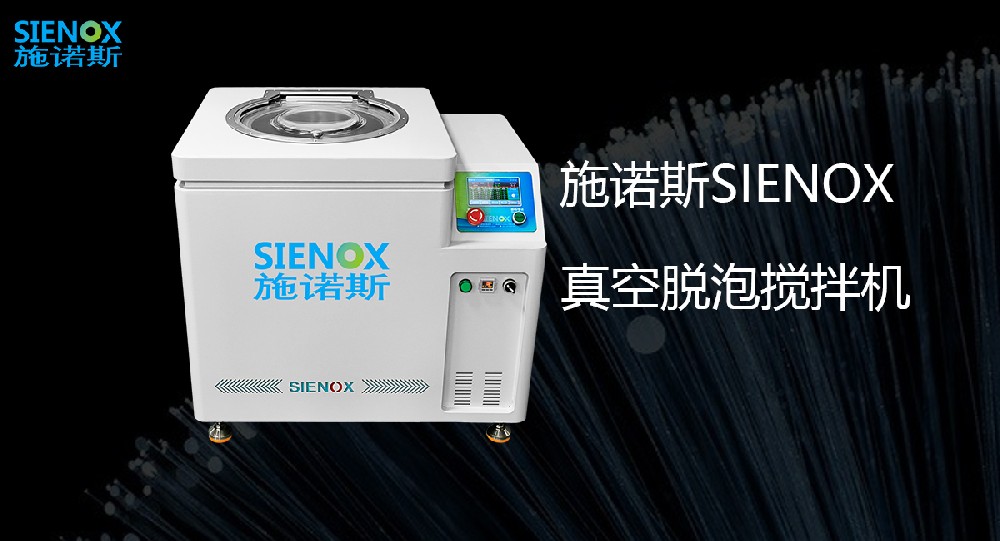
【Semiconductor Industry】Vacuum Stirring & Defoaming Mixer: Ensuring High Purity in Precision Material Preparation
Demand for Electronic Slurry Defoaming Machines Rises, Leading MLCC Manufacturers Adjust Product Lines
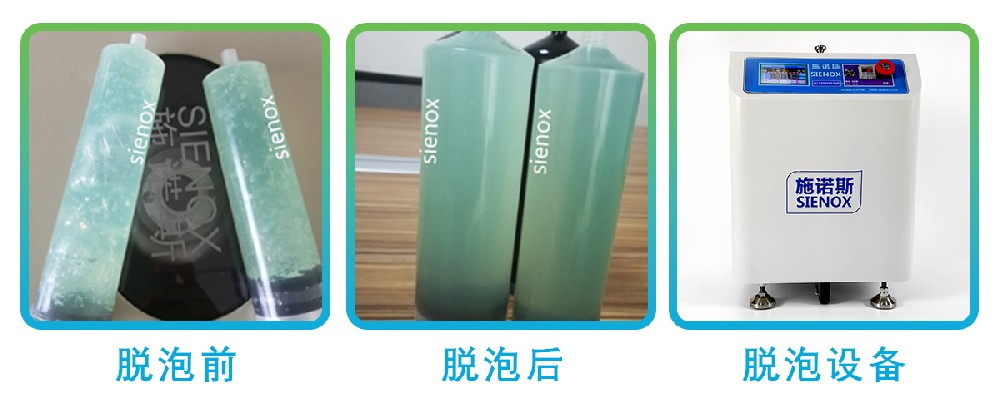
How to Correctly Use Vacuum Stirring & Defoaming Mixer in Chemical Experiments【Essential for Laboratory】
Perhaps you still need....
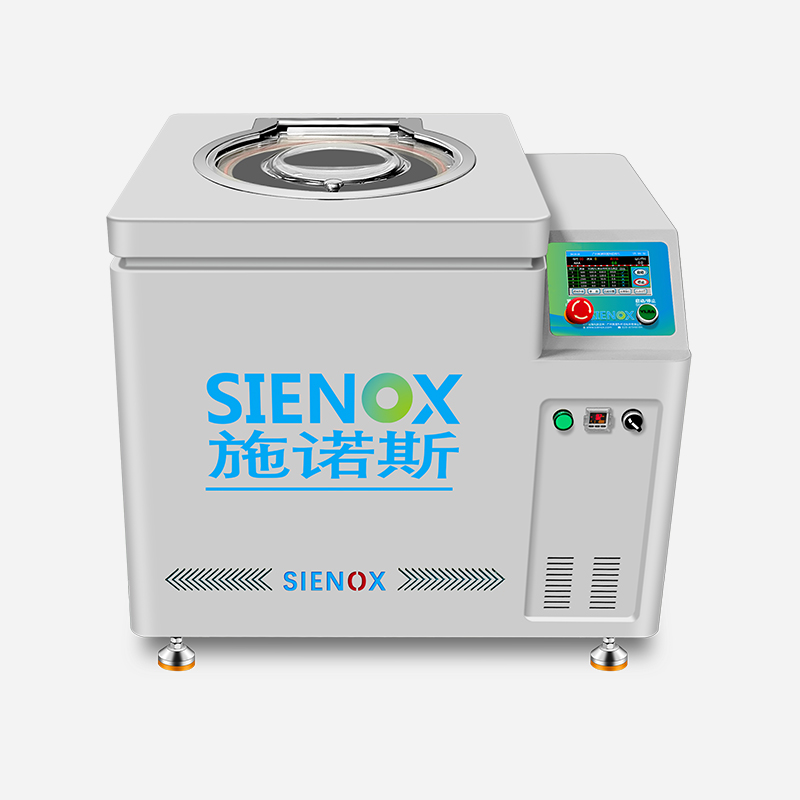
行星式真空脱泡搅拌机 SIE-MIX1000plus
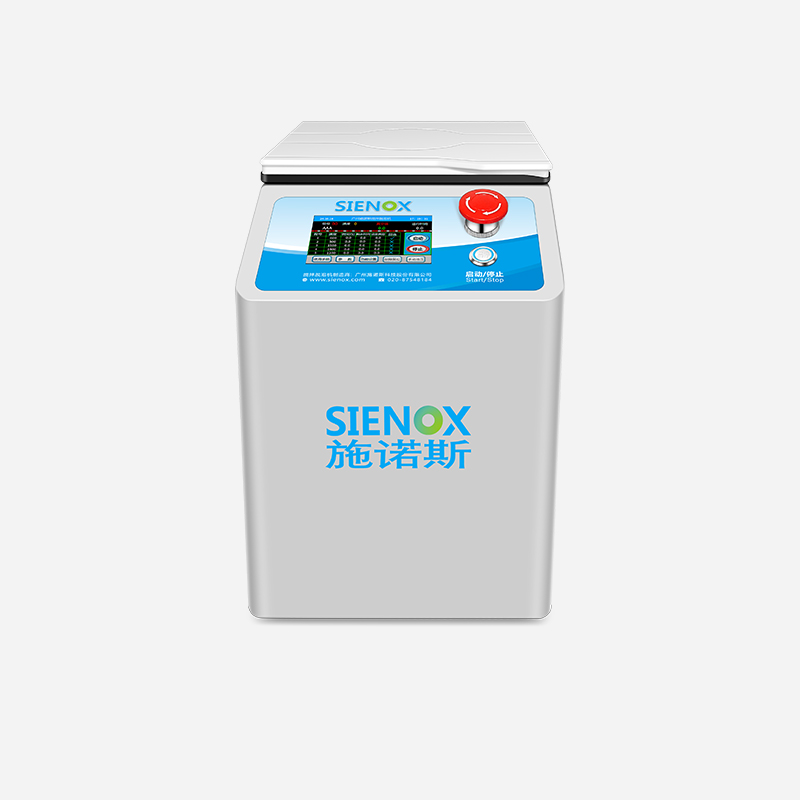
实验室行星式搅拌脱泡机 SIE-SV200
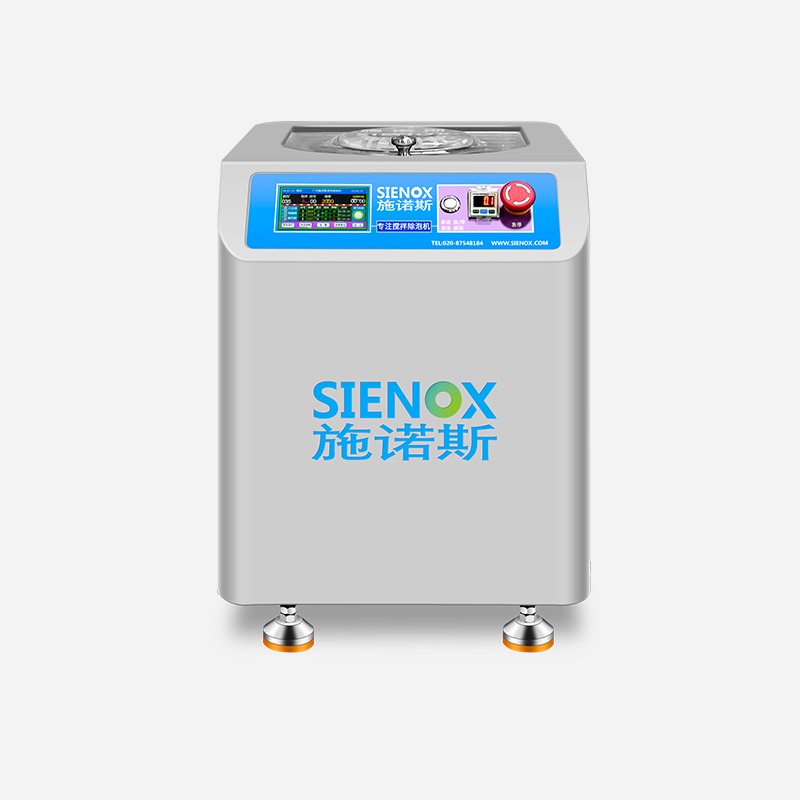
SIENOX行星式脱泡搅拌机 SIE-CV300
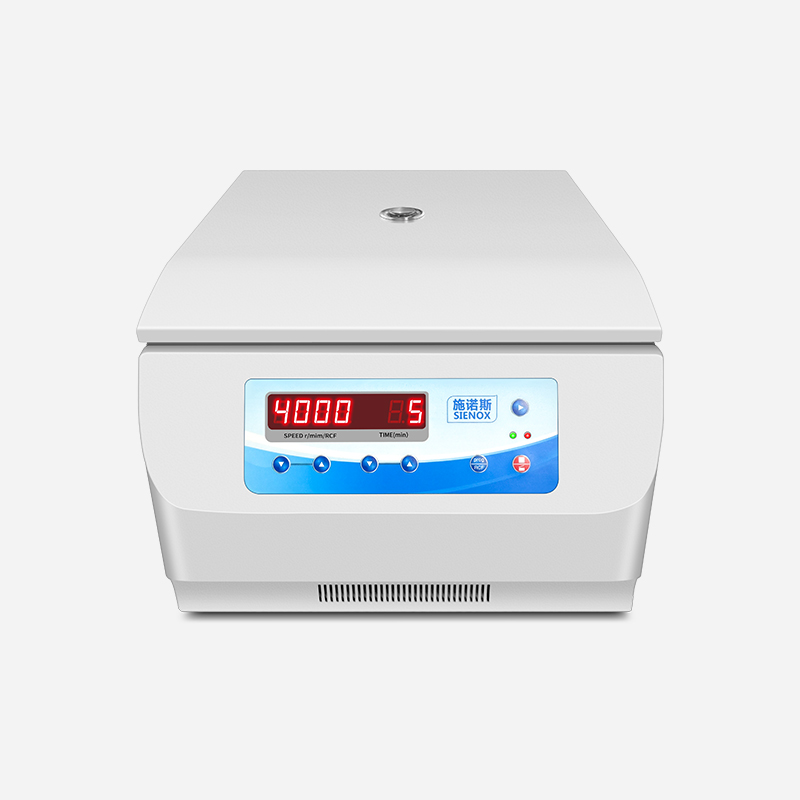
离心脱泡机 SIE-C006
About SIENOX
广州施诺斯(SIENOX),20年脱泡机设备研发与生产的源头厂家
超过1800种材料脱泡案例
纳米级脱泡,满足不同材料多段搅拌除泡需要,支持定制
资质齐全,荣获多项国家专利,联系我们可免费试样