


Magnetic Slurry

TEL:18925129293


Zero Bubbles in Magnetic Slurry! High-Solids Defoaming Test
date:2026-09-15author:小施Zero Bubbles in Magnetic Slurry! High-Solids Defoaming Test
Solve bubble issues of high-solid slurries including ferrite, rare-earth permanent magnet and soft magnetic composite materials, and greatly improve the consistency of magnetic properties.
Magnetic slurry is a functional slurry mixed by high-performance magnetic powder (ferrite, NdFeB, SmCo, carbonyl iron powder, etc.) and binder carriers (epoxy resin, phenolic resin, solvents, etc.). It is the core raw material for manufacturing permanent magnets, soft magnetic components, magnetic recording media and magnetic sensors. Magnetic slurries generally feature high solid content (powder proportion 60-90wt%), high density, high viscosity and strong thixotropy. In addition, magnetic powder tends to agglomerate, so a large amount of air is easily trapped during stirring and hard to escape naturally. Residual bubbles will directly lead to uneven magnet density, decreased magnetic energy product, fluctuating coercivity and defects on coatings or molded parts. SIENOX provides high-efficiency defoaming solutions for various magnetic slurries through self-developed planetary stirring and defoaming technology.
◆ Material Properties
Magnetic Powder Type Ferrite (Ba/Sr), NdFeB, SmCo, carbonyl iron powder, Fe-Si-Al powder | Binder / Carrier Epoxy resin, phenolic resin, PVB, solvent-based dispersion system | Solid Content Range 60~90 wt%, much higher density than ordinary slurries |
Viscosity Range 5,000~300,000+ cps, strong thixotropy & shear thinning | Process Temperature Room temperature ~80℃. Preheating is required for some systems to reduce viscosity and improve fluidity | Defoaming Difficulties High solid content + high-density powder agglomerates trapping bubbles; interaction between magnetic particles hinders bubble escape |
◆ Mature Application Fields
🏭 Permanent Magnet Motors / Generators Permanent magnet forming slurries (ferrite / NdFeB systems) for new energy vehicle drive motors, wind turbines and industrial servo motors | ⚡ Soft Magnetic Composites Fe-Si-Al / iron powder core, SMC soft magnetic composite slurries for high-frequency inductors and transformer cores (medium viscosity system) | 💾 Magnetic Recording Media Recording layer slurries for magnetic tapes, disks and magnetic cards, nano magnetic particle dispersion system (low viscosity & high uniformity) |
📡 Magnetic Sensors Magnetic film slurries for Hall sensors, magnetoresistive sensors and magnetostrictive sensors (precision coating, nano dispersion) | 🔧 Inductor / Transformer Cores Injection / compression molding slurries for ferrite cores and powder metallurgy magnetic cores (medium & high viscosity system) | 🔒 Magnetic Sealing Magnetic rubber / elastomer slurries for refrigerator door seals, magnetic sealing strips and magnetic gaskets (high viscosity & high filling system) |
🖨️ 3D Printed Magnetic Materials Slurries / inks for additive manufacturing of magnetic materials, photocuring or direct writing molding process (low viscosity & high leveling property) | 🔋 New Energy Motor & Electronic Control Magnetic steel bonding / potting slurries for new energy vehicle drive motors, requiring high magnetic energy product and high reliability | 🏥 Medical Magnetic Applications MRI contrast agent slurries, magnetic nanoparticle dispersions, targeted drug carrier slurries |
◆ Core Problems Caused by Bubbles
📉 Degraded Magnetic Performance Bubbles lead to uneven magnet density, (BH)max drops by 10-30%, coercivity Hcj fluctuates, large discreteness of magnetic performance between batches | ⚡ Electrical Insulation Risk Internal bubbles in soft magnetic cores reduce interlayer insulation, increase eddy current loss, temperature rise intensifies at high frequency and affects device reliability |
🔘 Surface & Structural Defects Pits and pinholes appear on molded parts / coating surfaces, mechanical strength of magnets decreases, prone to chipping or cracking during processing | 📊 Poor Consistency & Low Yield Random bubble distribution results in scattered product performance, difficult batch consistency control, high rework rate and yield below industry requirements |
◆ Recommended Process — Planetary Stirring & Defoaming
Step 1 Batching & Pre-mixing Weigh magnetic powder and binder carrier according to formula. Pre-mix at low speed to fully wet and disperse powder. High-viscosity systems can be preheated to 50-80℃ to reduce viscosity and improve powder dispersion | Step 2 Vacuum Stirring & Defoaming Put pre-mixed slurry into defoaming cup, set vacuum degree -95KPa and planetary stirring parameters. High shear force generated by planetary motion breaks powder agglomerates and releases trapped bubbles. Vacuum environment accelerates bubble expansion and escape |
Step 3 Forming / Casting / Coating Perform forming operation immediately after defoaming: compression molding, injection molding, tape casting or coating. Avoid violent operation to prevent secondary air entrapment | Step 4 Curing / Sintering Cure (resin binder system) or sinter (powder metallurgy system) as required by the process. Dense slurry after defoaming ensures no bubble expansion during curing / sintering and uniform product density |
◆ Recommended Equipment
MIX60 — Processing capacity 5~60g, suitable for laboratory formula R&D and small-batch magnetic slurry defoaming; excellent effect for low-viscosity magnetic ink / nano dispersion system (5,000~20,000cps)
MIX90 — Processing capacity 20~500g, suitable for medium-batch production and medium-viscosity magnetic slurry (10,000~80,000cps) defoaming; ideal choice for ferrite core slurries
MIX1000PLUS — Processing capacity 100~1,000g, suitable for mass production and defoaming of high-viscosity & high-solid permanent magnet slurries (50,000~300,000 cps)
MIX2000 — Processing capacity 500~2,000g, suitable for industrial continuous production, batch defoaming of large permanent magnet / soft magnetic core slurries
◆ Test Cases
▶ Case 1: Ferrite Permanent Magnet Slurry Defoaming
Test Material | Anisotropic barium ferrite permanent magnet slurry (for motor magnetic tiles, solid content 75wt%, epoxy resin binder system) |
Initial Viscosity | 25,000 cps (25℃) |
Test Model | MIX90 |
Vacuum Degree | -95 KPa |
Rotating Speed | 2,000 rpm |
Defoaming Time | 5 min |
Slurry Temperature | 40℃ (preheating for viscosity reduction) |
✅ Defoaming Result: Mixing and defoaming finished in 5 minutes. Cross-section porosity of magnet<0.5%, magnetic="" energy="" product="">
▶ Case 2: Soft Magnetic Composite Slurry Defoaming
Test Material | Sendust soft magnetic composite slurry (for high-frequency inductor cores, solid content 80wt%, insulation coating + epoxy resin bonding) |
Initial Viscosity | 60,000 cps (25℃) |
Test Model | MIX1000PLUS |
Vacuum Degree | -95 KPa |
Rotating Speed | 2,500 rpm |
Defoaming Time | 6 min |
Slurry Temperature | 60℃ (preheating for viscosity reduction) |
✅ Defoaming Result: Mixing and defoaming finished in 6 minutes. Cross-section porosity of magnetic core<0.3%, effective="" permeability="">
▶ Case 3: High-Solid Rare-Earth Permanent Magnet Slurry Defoaming
Test Material | NdFeB high-solid permanent magnet slurry (for new energy vehicle drive motors, solid content 88wt%, epoxy / phenolic composite binder system) |
Initial Viscosity | 120,000 cps (25℃) |
Test Model | MIX1000PLUS |
Vacuum Degree | -95 KPa |
Rotating Speed | 2,800 rpm |
Defoaming Time | 8 min |
Slurry Temperature | 60℃ (preheating for viscosity reduction) |
✅ Defoaming Result: Mixing and defoaming finished in 8 minutes. Cross-section porosity of NdFeB magnet<0.3%, magnetic="" energy="" product="">
◆ Comparison Before & After Improvement
Comparison Item | Before Defoaming | After Defoaming |
Magnetic Energy Product (BH)max | Bubbles cause uneven density and low magnetic energy product | Magnetic energy product increased by 15-18% and reaches design value |
Coercivity Consistency | Hcj fluctuation ±8%, large batch discreteness | Hcj fluctuation reduced to ±2%, batch consistency controllable |
Cross-section Porosity | Porosity 3-8%, uneven distribution | Porosity<0.5%, dense and uniform |
Eddy Current Loss (Soft Magnetic Parts) | Bubbles reduce interlayer insulation and lead to high eddy current loss | Eddy current loss reduced by 25%, high-frequency performance improved |
Yield Rate | High rework rate, poor batch consistency | Yield>99%, stable and controllable batches |
🎯 Free Sample Testing
Send us your magnetic slurry samples. We will test defoaming parameters and issue a test report.
Related recommendations

Zero Bubbles in Magnetic Slurry! High-Solids Defoaming Test
Perhaps you still need....
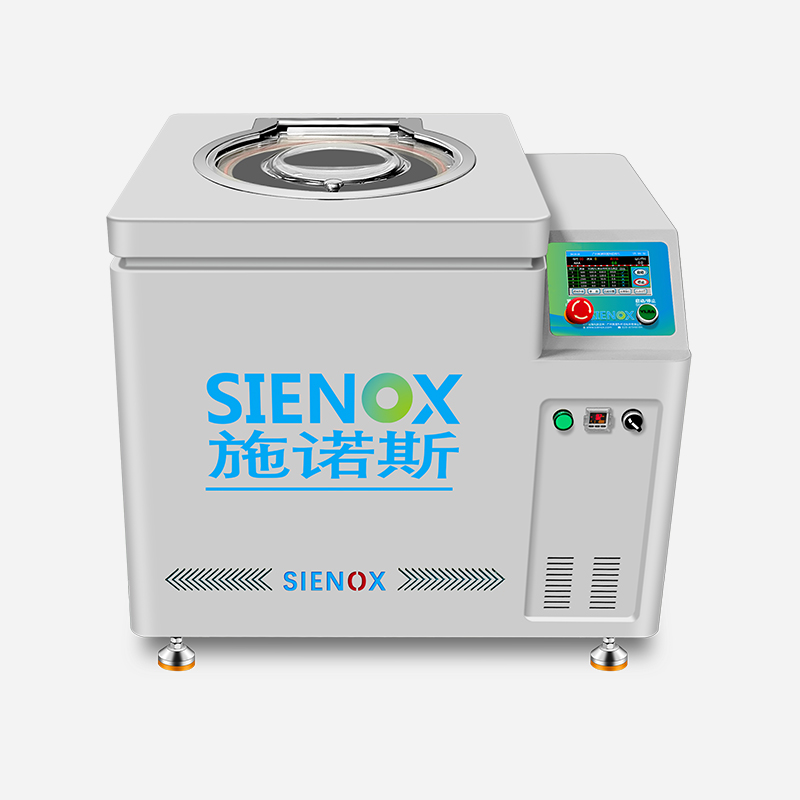
行星式真空脱泡搅拌机 SIE-MIX1000plus
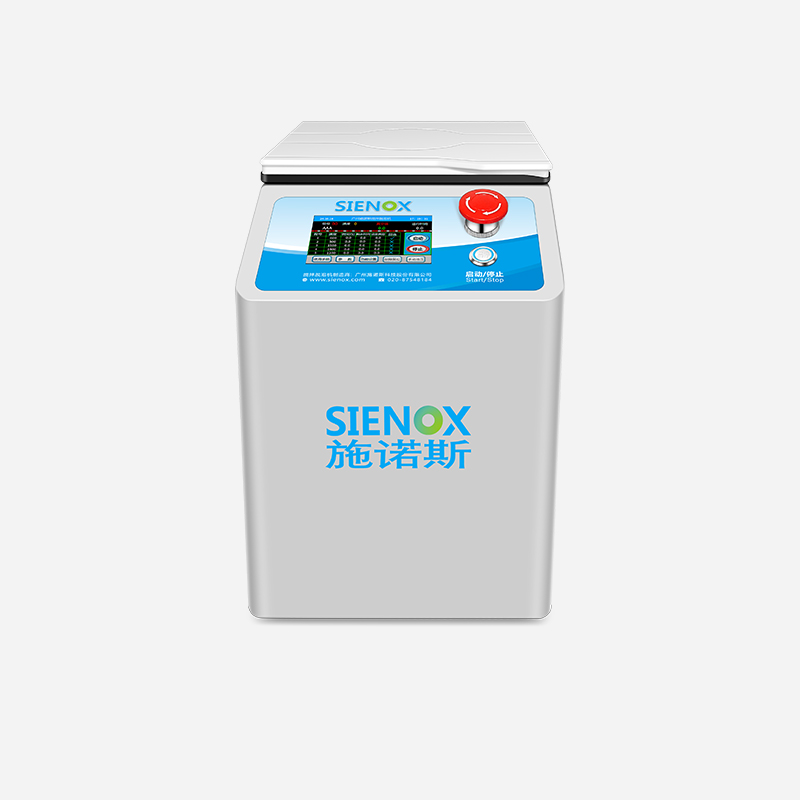
实验室行星式搅拌脱泡机 SIE-SV200
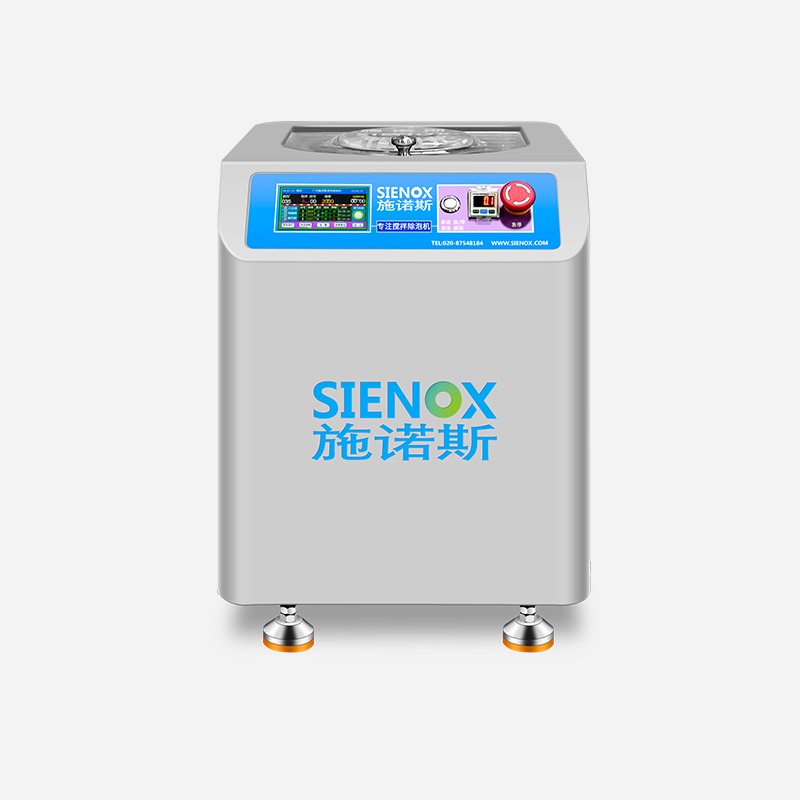
SIENOX行星式脱泡搅拌机 SIE-CV300
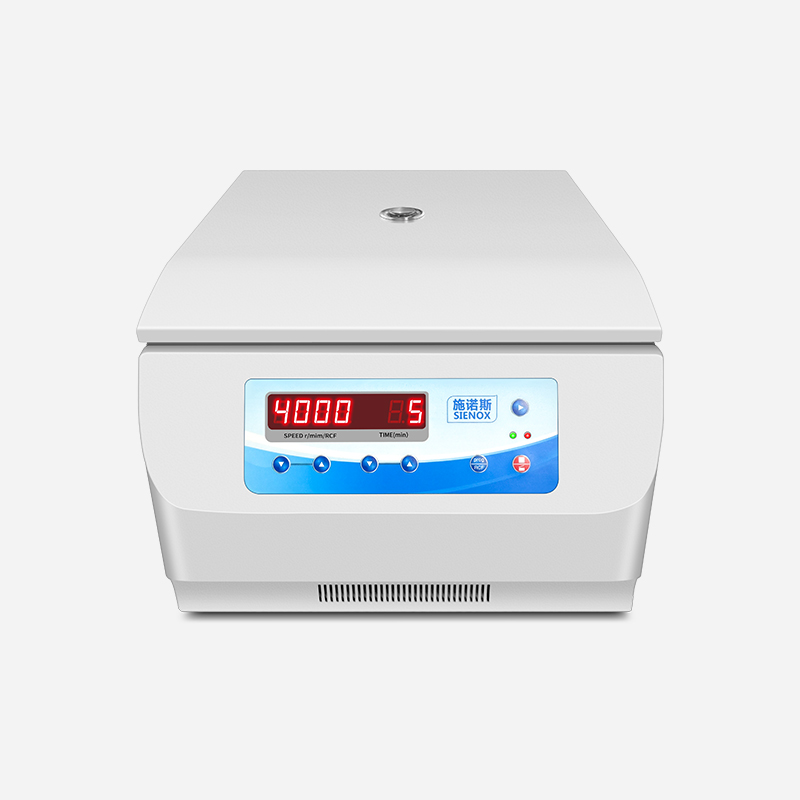
离心脱泡机 SIE-C006
About SIENOX
广州施诺斯(SIENOX),20年脱泡机设备研发与生产的源头厂家
超过1800种材料脱泡案例
纳米级脱泡,满足不同材料多段搅拌除泡需要,支持定制
资质齐全,荣获多项国家专利,联系我们可免费试样