


Silicone Resin

TEL:18925129293


Zero Bubble Residue for Acrylic! Defoaming Test of 3 Systems
date:2026-09-11author:小施Zero Bubble Residue for Acrylic! Defoaming Test of 3 Systems
Solve bubble issues in acrylic UV adhesives, solvent-based coatings and structural adhesives, covering full viscosity range from 50 cps to 100,000 cps
Acrylic Resin is thermoplastic or thermosetting polymer formed by polymerization or copolymerization of acrylate or methacrylate monomers. It boasts excellent optical transparency, weather resistance, color stability and convenient processability. It can be categorized into UV-curable acrylate, solvent-based acrylic coating, two-component MMA structural adhesive, etc., widely used in optical lenses, automotive coatings, advertising signs, electronic potting, medical devices, 3D printing and other fields. Air is easily entrapped during coating, pouring and mixing of acrylic materials. Bubbles in UV-curable systems get locked permanently and cannot escape spontaneously; solvent-based systems generate secondary bubbles due to solvent volatilization, which seriously damages appearance and functional performance. SIENOX provides high-efficiency defoaming solutions for all types of acrylic resins through self-developed planetary mixing & defoaming technology.
◆ Material Properties
Common Resin Types UV-curable acrylate, solvent-based PMMA, two-component MMA structural adhesive | Curing / Drying Method UV photo-curing, solvent evaporation drying, free radical polymerization curing | Viscosity Range 50~100,000+ cps, from watery free-flowing liquid to high-viscosity paste |
Solvent / Diluent System Water-based / solvent-based / 100% solid content (solvent-free), reactive diluent for viscosity adjustment | Curing Conditions Second-level curing under UV lamp / room-temperature solvent evaporation / heating at 60-80℃ for acceleration | Defoaming Challenges Bubbles get locked irreversibly in UV systems; secondary bubbles generated by volatilization in solvent-based systems |
◆ Mature Application Fields
🔍 Optical Lenses PMMA/PC optical lenses, light guides, light guide films for LCDs, transparent windows (high-transparency acrylic systems) | 🚗 Automotive Coatings Automotive OEM coatings, refinish coatings, clear coats, base coats (solvent-based acrylic, viscosity 2,000~15,000 cps) | 🔌 Electronic Potting & Conformal Coating PCB conformal coating, electronic component potting, FPC reinforcement bonding (UV-curable or two-component systems) |
🪧 Advertising Signs Acrylic thermoformed letters, display racks, light box panels, acrylic crafts (cast / extruded PMMA sheets) | 🔧 Structural Adhesive / MMA Two-component MMA structural adhesive, rapid bonding of metal/composite materials, ship & vehicle manufacturing (medium-viscosity reactive type) | 💅 Nail & Daily Chemical UV/LED gel nail polish, nail art adhesive (low-viscosity free-flowing system) |
🖨️ 3D Printing / Photocuring SLA/DLP photoresin, post-processing coating for 3D printed models (low-viscosity photocurable system, high precision requirement) | 🏥 Medical Devices Medical catheter bonding, IVD equipment housing encapsulation, dental restorative materials (biocompatible grade acrylic) | 🏠 Architectural Coatings Exterior latex paint, waterproof coating, floor topcoat (water-based acrylic emulsion system, eco-friendly low VOC) |
◆ Core Problems Caused by Bubbles
🔘 Surface Defects (Crater / Fish-eye) Burst bubbles on coating/casting surface form craters, fish-eyes, orange peel and other appearance defects, requiring polishing rework or direct scrapping | 💎 Reduced Transparency & Optical Performance Bubbles are instantly locked in UV-curable systems, forming permanent light scattering spots, lowering transmittance and causing fogging & whitening of optical parts |
📉 Insufficient Bonding & Structural Strength Internal bubbles in MMA structural adhesive reduce bonding area and mechanical properties; shear strength drops by 30-50% with potential safety hazards | 🎨 Poor Coating Uniformity Solvent-based coatings generate secondary bubbles from solvent volatilization, leading to uneven film thickness, poor hiding power and obvious color difference |
◆ Recommended Process — Planetary Mixing & Defoaming
Step 1 Material Preparation Operate UV acrylate systems away from light to prevent pre-curing; seal solvent-based materials to avoid solvent loss; weigh A/B components of two-component MMA according to ratio | Step 2 Vacuum Mixing & Defoaming Put mixture into mixing cup, set vacuum degree -95KPa and planetary mixing parameters. The machine completes mixing and vacuum defoaming synchronously in one cycle |
Step 3 Coating / Pouring Apply or pour material immediately after defoaming, pour slowly along container wall; keep UV systems protected from light until coating finished before photo-curing | Step 4 Curing / Drying Cure UV systems under specified wavelength & energy; apply gradient drying temperature for solvent-based systems to avoid fast surface skin locking residual bubbles |
◆ Recommended Equipment
MIX60 — Capacity 5~60g, suitable for lab R&D and small-batch UV acrylate defoaming; excellent effect for low-viscosity photocurable systems (50~2,000 cps)
MIX90 — Capacity 20~500g, suitable for medium-batch production and defoaming of medium-viscosity solvent-based acrylic coatings / MMA structural adhesives (2,000~30,000 cps)
MIX1000PLUS — Capacity 100~1,000g, suitable for mass production and defoaming of high-viscosity acrylic structural adhesives / heavy-bodied coatings (30,000~100,000+ cps)
MIX2000 — Capacity 500~2,000g, suitable for industrial continuous production and batch defoaming of large castings
◆ Test Cases
▶ Case 1: Low-viscosity UV Acrylate Defoaming
Test Material | UV-curable acrylate optical adhesive (for PCB/FPC protective coating, 100% solid content, colorless transparent free-flowing liquid) |
Initial Viscosity | 800 cps (25℃) |
Test Model | MIX60 |
Vacuum Level | -95 KPa |
Rotation Speed | 1,500 rpm |
Defoaming Time | 3 min |
Material Temp. | 25℃ (Room temperature, light-shielded operation) |
✅ Defoaming Result: Mixing + defoaming finished in 3 minutes. No bubbles or craters after UV curing, transmittance>98%, coating thickness uniformity ±2%, meeting optical-grade appearance standards for PCB conformal coating.
▶ Case 2: Medium-viscosity Solvent-based Acrylic Coating Defoaming
Test Material | Solvent-based thermoplastic acrylic topcoat (for automotive refinish, containing pigments and UV absorbers, moderate viscosity) |
Initial Viscosity | 8,000 cps (25℃) |
Test Model | MIX90 |
Vacuum Level | -95 KPa |
Rotation Speed | 2,000 rpm |
Defoaming Time | 5 min |
Material Temp. | 25℃ (Room temperature sealed operation) |
✅ Defoaming Result: Mixing + defoaming finished in 5 minutes. Sprayed film free of craters, fish-eyes and orange peel, 60° gloss>92%, film thickness uniformity ±3%, meeting appearance standards for automotive refinish coatings.
▶ Case 3: High-viscosity MMA Structural Adhesive Defoaming
Test Material | Two-component MMA structural adhesive (for metal-composite bonding in ships & transportation vehicles, A/B=10:1, high-thixotropy paste) |
Initial Viscosity | 45,000 cps (25℃) |
Test Model | MIX1000PLUS |
Vacuum Level | -95 KPa |
Rotation Speed | 2,500 rpm |
Defoaming Time | 8 min |
Material Temp. | 40℃ (preheat for viscosity reduction) |
✅ Defoaming Result: Mixing + defoaming finished in 8 minutes. A/B components homogeneously mixed without bubbles. Lap shear strength of metal-carbon fiber bonding increased by 35%, no pores on adhesive cross-section, meeting structural bonding strength requirements for ship applications.
◆ Before & After Comparison
Comparison Item | Before Defoaming | After Defoaming |
Surface Quality | Surface defects such as craters, fish-eyes and orange peel | Smooth surface free of defects, gloss>90 |
Transmittance / Optical Property | Light scattering spots caused by bubbles, fogging & whitening | Transmittance>98%, optically clear and uniform |
Bonding Strength | Bubbles reduce bonding area with scattered strength data | Lap shear strength increased by 35%, consistent test data |
Coating Uniformity | Large film thickness fluctuation, obvious color difference | Film thickness uniformity ±2%, color difference ΔE<0.5 |
Curing Integrity | Bubbles locked in UV systems, uneven local curing | Fully and evenly cured, stable hardness/elasticity data |
Yield Rate | High rework rate, poor batch appearance consistency | Yield>99%, stable and controllable batches |
🎯 Free Sample Testing
Send us your acrylic resin samples. We will test defoaming parameters and issue test reports.
Related recommendations

Zero Bubble Residue for Acrylic! Defoaming Test of 3 Systems
Complete Bubble Removal for Silicone! Defoaming Test of Potting & Sealing Materials
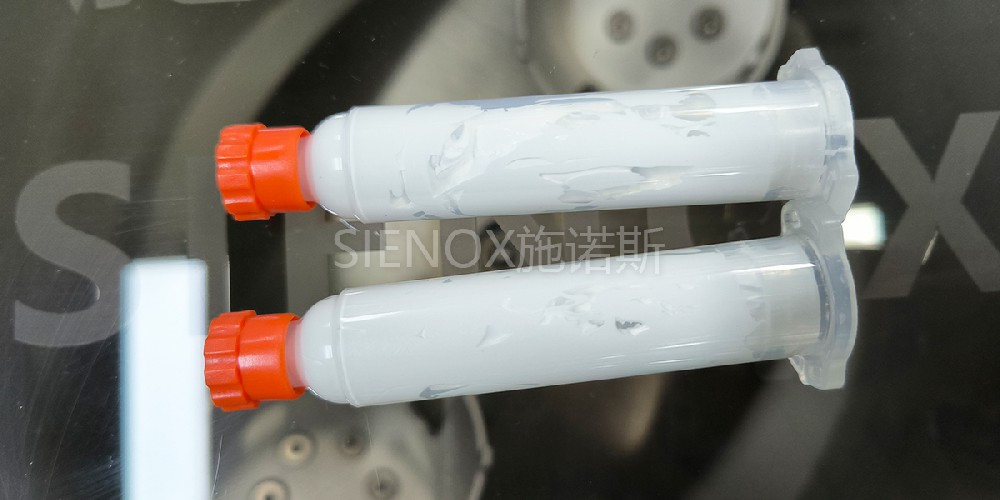
Silicone / Silicone Rubber Stirring & Defoaming Solution
Perhaps you still need....
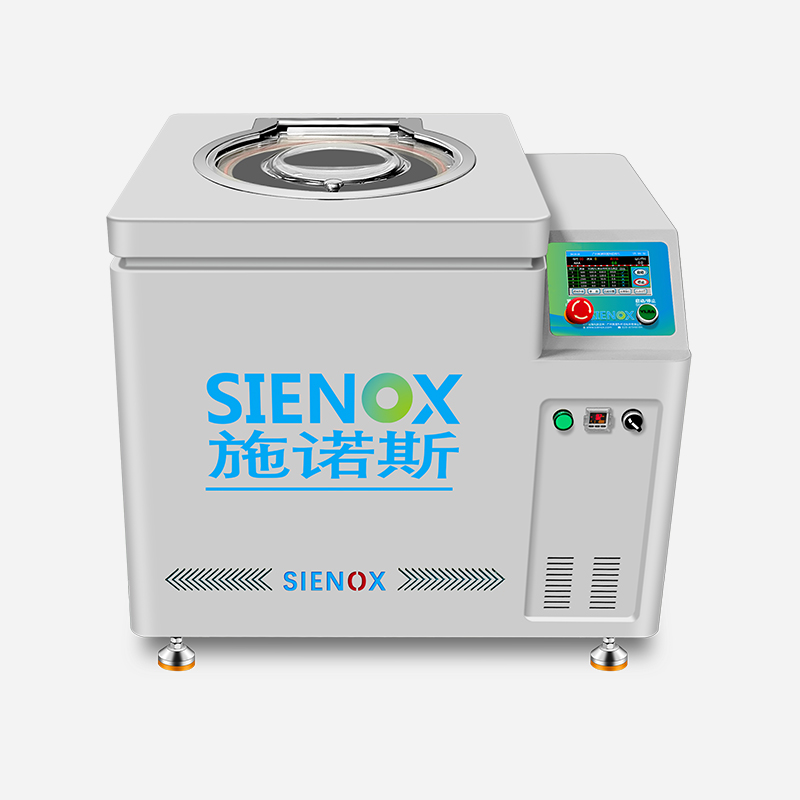
行星式真空脱泡搅拌机 SIE-MIX1000plus
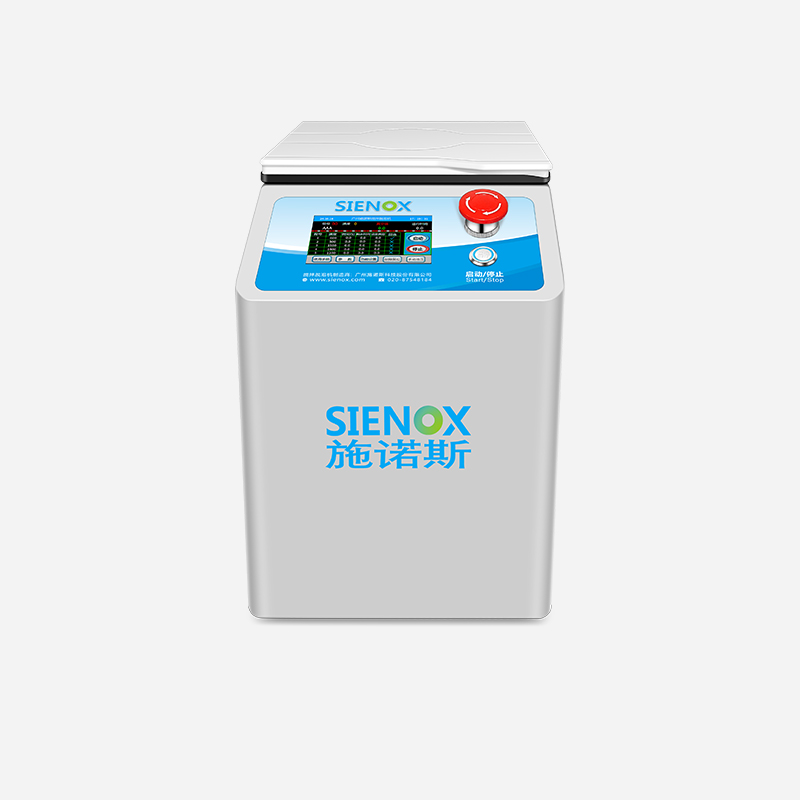
实验室行星式搅拌脱泡机 SIE-SV200
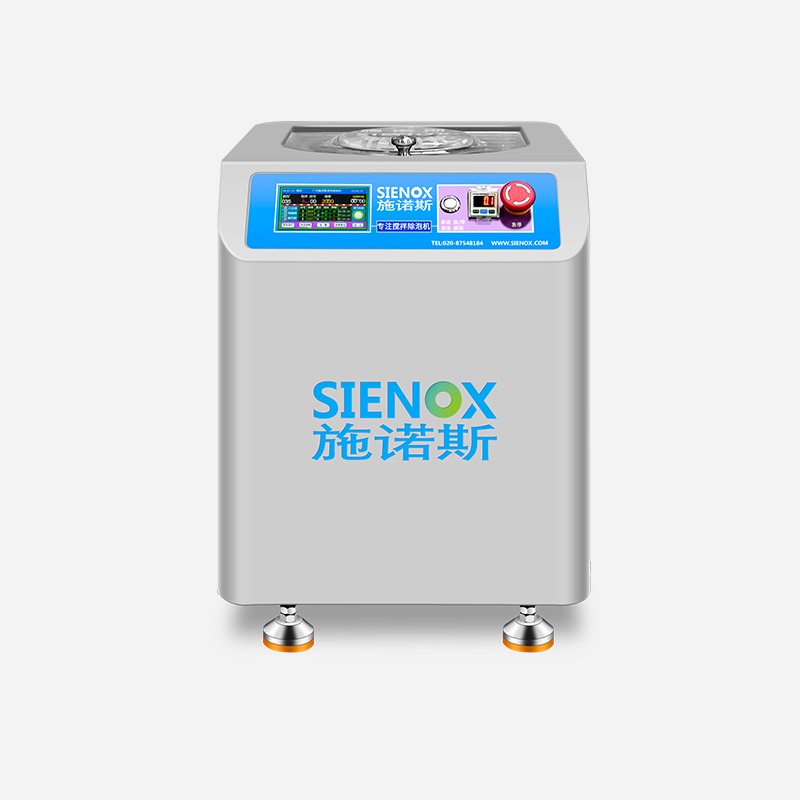
SIENOX行星式脱泡搅拌机 SIE-CV300
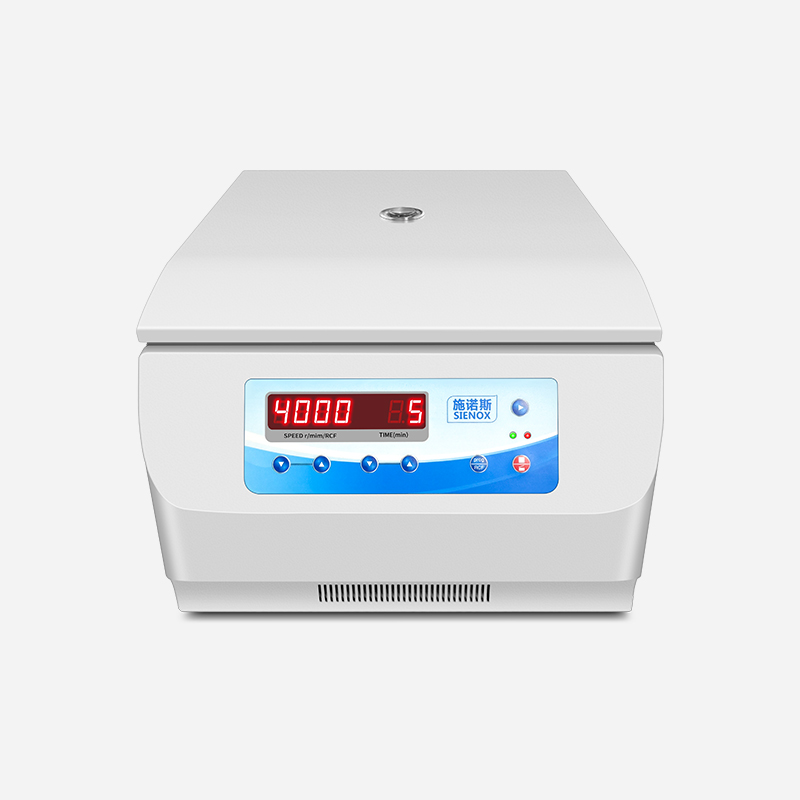
离心脱泡机 SIE-C006
About SIENOX
广州施诺斯(SIENOX),20年脱泡机设备研发与生产的源头厂家
超过1800种材料脱泡案例
纳米级脱泡,满足不同材料多段搅拌除泡需要,支持定制
资质齐全,荣获多项国家专利,联系我们可免费试样