


Epoxy Resin

TEL:18925129293


Epoxy Resin Zero Bubble! Defoaming Test of 3 Viscosity Grades
date:2026-09-11author:小施Epoxy Resin Zero Bubble! Defoaming Test of 3 Viscosity Grades
Solve bubble challenges in epoxy potting, coatings and composite materials, full coverage from 500cps to 200,000cps
Epoxy resin is a thermosetting polymer based on bisphenol A or novolac epoxy resin. Formulated by adding curing agents, reactive diluents and functional fillers, it features outstanding bonding strength, electrical insulation, chemical resistance and dimensional stability. Epoxy resin is widely used in electronic potting, composite molding, floor coatings, structural bonding and mold manufacturing. However, air is easily entrapped during dispensing, mixing and pouring. Coupled with wide viscosity range and exothermic curing reaction, residual bubbles may cause insulation failure of potting parts, surface pinholes and composite delamination. SIENOX delivers high-efficiency defoaming solutions for various epoxy resins via self-developed planetary mixing and defoaming technology.
◆ Material Properties
Common Resin Matrix Bisphenol A type (E-51/E-44), novolac type, alicyclic epoxy resin | Curing Agent Types Modified aliphatic amines, acid anhydrides, aromatic amines, imidazole accelerators | Viscosity Range 500~200,000+ cps, covering diluent to high-viscosity paste |
Filler Loading 0~85 wt%, commonly alumina, silica, glass microspheres | Curing Conditions Room temperature cure / medium temp 80-120℃ / high temp 150-180℃ | Defoaming Difficulties High-filled systems feature high viscosity and strong thixotropy; curing exotherm accelerates bubble expansion |
◆ Mature Application Fields
🔌 Electronic Potting Potting protection for power modules, transformers, LED drivers, sensors, connectors and other electronic components (viscosity 500~8,000cps) | ✈️ Composite Materials Resin infiltration and molding for carbon fiber / glass fiber prepregs, aerospace structural parts, wind turbine blades and sports equipment | 🏭 Industrial Flooring Epoxy self-leveling floor, anti-static floor, anti-corrosion floor coating (viscosity 10,000~50,000cps, film thickness 1-5mm) |
🔧 Structural Bonding Structural bonding of metal/ceramic/concrete, building reinforcement, bridge anchoring adhesive (viscosity 5,000~30,000cps) | 🎨 Crafts / Molds Epoxy ornaments, river tables, silicone mold reproduction, crystal drop resin crafts (viscosity 1,000~5,000cps) | 🏗️ Building Anti-Corrosion Concrete crack grouting, steel structure anti-corrosion coating, tank/pipeline lining anti-corrosion (high-solid high-viscosity system) |
💎 Optical Lenses LED packaging lenses, optical lens bonding, transparent encapsulated parts (low-viscosity high-clarity system with strict bubble requirements) | ⚡ Insulating Materials Dry-type transformer casting, high-voltage switch insulators, cable accessories (high-filled flame-retardant system, arc resistance required) | 🚗 Automotive Components Lightweight carbon fiber auto parts, battery potting, motor winding insulation treatment (medium & high temperature curing system) |
◆ Core Problems Caused by Bubbles
⚡ Degraded Insulation Performance Internal bubbles in potting parts form discharge channels, causing local electric field concentration. Breakdown voltage drops by over 50%, resulting in electrical insulation failure | 🔘 Surface Pinhole Defects Dense pinholes and fish eyes appear on coating/casting surfaces, damaging appearance and flatness, leading to rework or scrapping |
📉 Reduced Mechanical Strength Bubbles act as stress concentration points and reduce bonding and impact resistance. Interlaminar shear strength of composites drops by 30-60% | 🔍 Loss of Transparency & Uniformity Microbubbles scatter light in optical encapsulations and transparent crafts, lowering light transmittance and causing whitening, downgrading product grade |
◆ Recommended Process — Planetary Mixing & Defoaming
Step 1 Weighing & Proportioning Weigh epoxy resin and curing agent by formula ratio. Preheat resin component separately (40-60℃) to reduce viscosity for better subsequent defoaming | Step 2 Vacuum Mixing & Defoaming Put mixture into mixing cup, set vacuum at -95KPa and planetary mixing parameters. The machine completes mixing and vacuum defoaming synchronously in one run |
Step 3 Pouring / Coating Perform pouring or coating immediately after defoaming. Pour slowly along vessel wall to avoid secondary air entrapment. Finish operation within pot life | Step 4 Curing & Forming Cure under specified temperature & duration. For large-volume castings, staged heating is recommended to prevent secondary foaming from excessive exothermic peak |
◆ Recommended Equipment
MIX60 — Capacity 5~60g, suitable for lab R&D and small-batch potting sample defoaming; remarkable defoaming effect for low-viscosity epoxy systems (500~8,000cps)
MIX90 — Capacity 20~500g, suitable for medium-batch production and medium-viscosity epoxy structural adhesives (5,000~30,000cps); high homogeneity of planetary mixing
MIX1000PLUS — Capacity 100~1,000g, suitable for mass production and high-viscosity high-filled epoxy systems (30,000~200,000+ cps)
MIX2000 — Capacity 500~2,000g, suitable for industrial continuous production and batch defoaming of large castings (e.g. transformers, insulators)
◆ Test Cases
▶ Case 1: Defoaming of Low-Viscosity Electronic Potting Adhesive
Test Material | Bisphenol A epoxy E-51 + methylhexahydrophthalic anhydride curing system (electronic potting adhesive with silica powder filler) |
Initial Viscosity | 2,500 cps (25℃) |
Test Model | MIX60 |
Vacuum Level | -95 KPa |
Rotation Speed | 1,500 rpm |
Defoaming Time | 3 minutes |
Material Temperature | 25℃ (Ambient) |
✅ Defoaming Result: Mixing and defoaming finished within 3 minutes. No visible bubbles on potting section, excellent surface leveling, breakdown voltage>25KV/mm, meets standards for electronic component potting.
▶ Case 2: Defoaming of Medium-Viscosity Composite Structural Adhesive
Test Material | Toughened epoxy structural adhesive (for carbon fiber composite bonding, with rubber toughener and nano silica) |
Initial Viscosity | 15,000 cps (25℃) |
Test Model | MIX90 |
Vacuum Level | -95 KPa |
Rotation Speed | 2,000 rpm |
Defoaming Time | 5 minutes |
Material Temperature | 40℃ (preheated for viscosity reduction) |
✅ Defoaming Result: Mixing and defoaming completed within 5 minutes. No obvious interlayer bubbles in carbon fiber bonded parts, lap shear strength increased by 22%, good wetting of composite laminates, meeting bonding requirements for aerospace structural components.
▶ Case 3: Defoaming of High-Viscosity Flooring / Casting Compound
Test Material | High-filled epoxy self-leveling coating (containing quartz sand, heavy calcium and other aggregates, thick paste casting system) |
Initial Viscosity | 80,000 cps (25℃) |
Test Model | MIX1000PLUS |
Vacuum Level | -95 KPa |
Rotation Speed | 2,500 rpm |
Defoaming Time | 8 minutes |
Material Temperature | 50℃ (preheated for viscosity reduction) |
✅ Defoaming Result: Mixing and defoaming completed within 8 minutes. No pinholes or fish eyes on self-leveling coating surface. Cross-section porosity<1% at 3mm thickness, coating gloss>90%, meeting high-standard industrial flooring requirements.
◆ Comparison Before & After Improvement
Comparison Item | Before Defoaming | After Defoaming |
Surface Quality | Dense pinholes, fish eyes, shrinkage cavities | Smooth & dense surface, no visible defects |
Internal Density | Cross-section porosity 5-15% | Cross-section porosity<1%, uniform & dense structure |
Insulation Performance | Unstable breakdown voltage, high partial discharge risk | Stable breakdown voltage>25KV/mm, reliable insulation |
Bonding / Mechanical Strength | Stress concentration at bubbles, large strength discreteness | Lap shear strength increased by 20%+, high data consistency |
Transparency (Optical Parts) | Light scattered by microbubbles, whitening & haze | Light transmittance>98%, optically clear |
Yield Rate | High rework rate, poor batch consistency | Yield>99%, stable & controllable batches |
🎯 Free Sample Test
Send us your epoxy samples. We will test defoaming parameters and issue a test report
Related recommendations

Epoxy Resin Zero Bubble! Defoaming Test of 3 Viscosity Grades
Perhaps you still need....
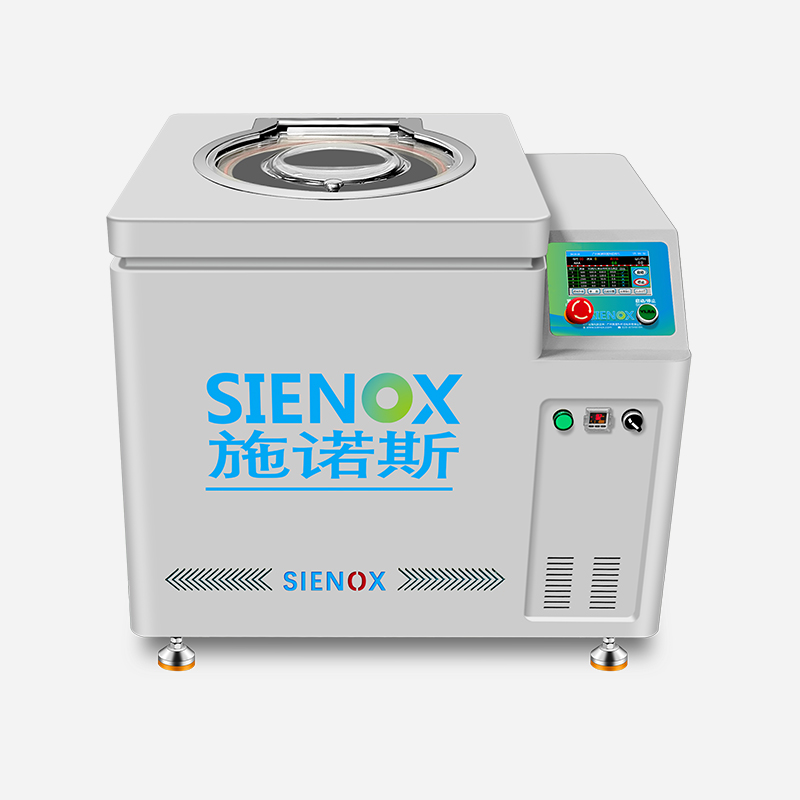
行星式真空脱泡搅拌机 SIE-MIX1000plus
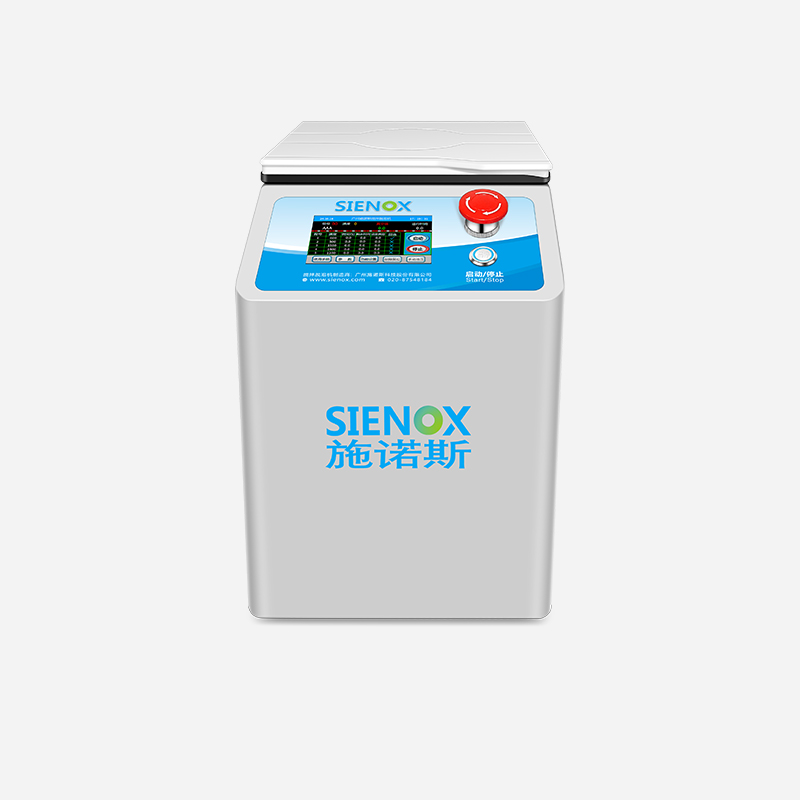
实验室行星式搅拌脱泡机 SIE-SV200
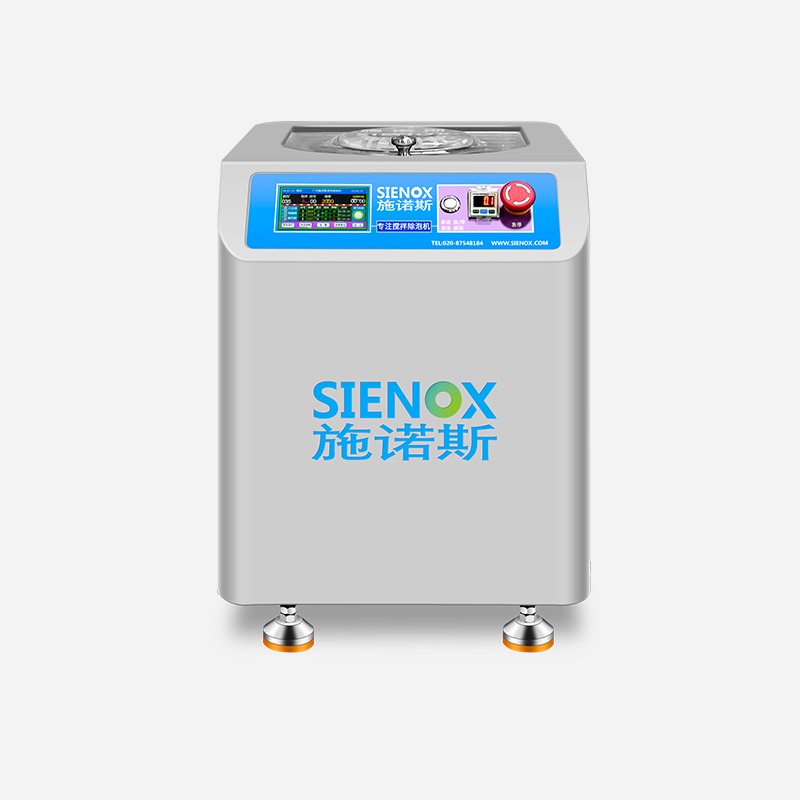
SIENOX行星式脱泡搅拌机 SIE-CV300
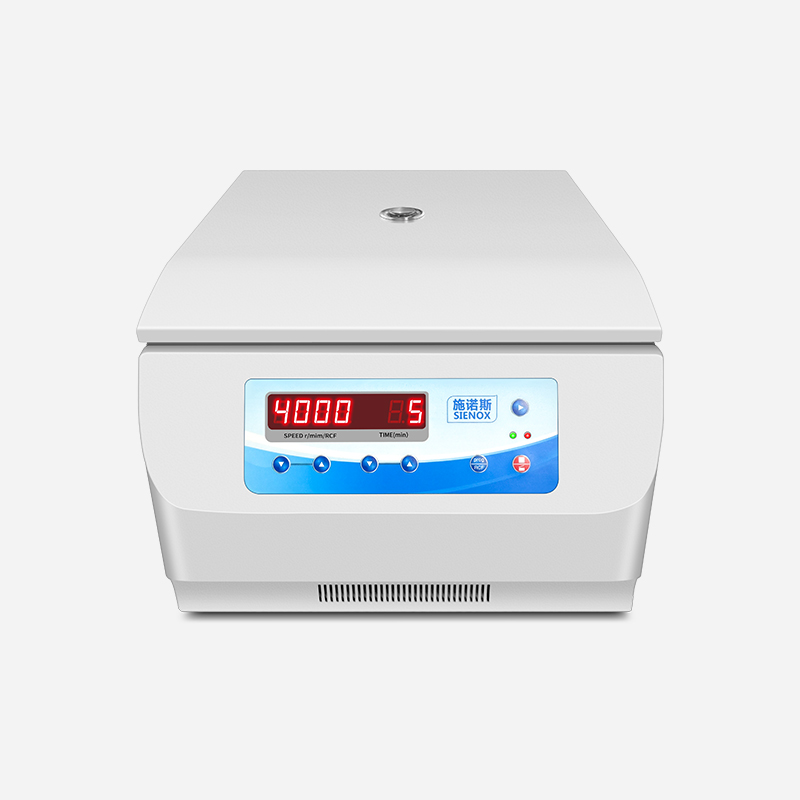
离心脱泡机 SIE-C006
About SIENOX
广州施诺斯(SIENOX),20年脱泡机设备研发与生产的源头厂家
超过1800种材料脱泡案例
纳米级脱泡,满足不同材料多段搅拌除泡需要,支持定制
资质齐全,荣获多项国家专利,联系我们可免费试样