


Polyurethane Adhesive

TEL:18925129293


Polyurethane Adhesive Bubble Elimination! Measured Defoaming Solutions for 3 Viscosity Grades
date:2026-09-11author:小施Polyurethane Adhesive Bubble Elimination! Measured Defoaming Solutions for 3 Viscosity Grades
From one-component sealants to two-component elastomers, one-stop solution for bubbles in polyurethane adhesives
Polyurethane Adhesive (PU Adhesive) is a type of polymer adhesive mainly composed of polyurethane prepolymers (MDI/TDI-based isocyanates) matched with polyol curing agents (polyether/polyester polyols). It forms elastomers via moisture curing, catalytic curing or two-component mixing curing. Featuring high elasticity, outstanding wear resistance, excellent low-temperature toughness and strong adhesion to various substrates, it is widely applied in automotive, construction, shoe material, elastomer casting, wind power, rail transit and other industries. Polyurethane adhesives are sensitive to moisture and easily trap air during mixing or construction. Residual bubbles will seriously impair bonding strength, elastomer uniformity and sealing reliability. SIENOX provides complete defoaming solutions covering materials and processes for all types of polyurethane adhesives through self-developed planetary mixing and defoaming technology.
◆ Material Characteristics
Common Matrix Types One-component moisture-curing PU adhesives, two-component PU structural adhesives, PU elastomer casting materials, PU sealants | Curing System MDI/TDI-based isocyanate prepolymer + polyether/polyester polyol curing agent | Mixing Ratio One-component (direct use) / Two-component (1:1 / 2:1 / 4:1 / 10:1) |
Common Viscosity Range 1,000~60,000 cps | Curing Method Moisture curing / Catalytic curing / Two-component mixing curing | Typical Application Scenarios Automotive windshields, building sealing, elastomer casting, shoe material bonding, wind turbine blades |
◆ Mature Application Fields
Polyurethane adhesives have been widely used in core industries such as automotive, construction and industrial manufacturing. The main application fields and typical working conditions are as follows:
🚗 Automotive Manufacturing Windshield bonding & sealing, body structural bonding, dashboard component fixing. One/two-component PU adhesives are commonly used, requiring high strength, impact resistance and resistance to high-low temperature cycles | 🏗️ Building Sealing Insulated glass sealing, curtain wall caulking, concrete joint waterproofing. PU sealants are commonly used with viscosity of 3,000~15,000 cps, requiring weather resistance and UV resistance | 👟 Shoe Material Bonding Bonding between sole and upper, midsole fixing for sports shoes. PU adhesives are commonly used, featuring high initial tack, flexibility, bending resistance, eco-friendliness and low odor |
⚙️ Elastomer Casting PU elastomer castings such as industrial rollers, sealing gaskets, buffer pads and sieve plates. Requirements: bubble-free, uniform density and consistent hardness | 📦 Packaging Materials Composite film bonding, flexible packaging lamination, cold-chain packaging sealing. Solvent-free PU adhesives are commonly used, requiring high bonding strength and food safety compliance | 🌬️ Wind Turbine Blades Blade root bonding, leading/trailing edge sealing, structural reinforcement. Polyurethane structural adhesives are commonly used, suitable for large-area coating with high strength and fatigue resistance |
🏠 Furniture & Home Furnishings Panel bonding, upholstered furniture fixing, flooring adhesives. One-component PU adhesives are commonly used, requiring low VOC and high initial tack | 🚄 Rail Transit Carriage interior bonding, windscreen sealing, damping pad casting. PU structural adhesives / elastomers are commonly used, requiring flame retardancy, high strength and vibration resistance | ⚡ Electronic Potting Sensor potting, flexible circuit board protection, LED module sealing. PU potting adhesives are commonly used, requiring high elasticity, low stress and zero bubbles |
◆ Core Problems Caused by Bubbles
💪 Reduced Bonding Strength Bubbles occupy the bonding interface and reduce the effective bonding area. In scenarios such as automotive windshield and structural bonding, bubble defects may lead to bonding failure and bring serious safety hazards. | ⚙️ Deteriorated Elastomer Performance Internal bubbles in PU elastomers result in uneven density, hardness fluctuation and reduced resilience. Products such as industrial rollers and sealing gaskets form local weak points and their service life is greatly shortened. |
🔌 Risk of Sealing Failure In building sealing, insulated glass sealing, wind turbine blade sealing and other scenarios, bubbles form through or near-surface microchannels, causing moisture penetration and sealing failure, and triggering water leakage, condensation and other problems later. | ⏱️ Surface Appearance Defects During curing, bubbles migrate to the surface and form pinholes, fish eyes and uneven surfaces. For scenarios with high appearance requirements (such as automotive exterior parts and furniture panels), secondary repair is required, raising labor and scrap costs. |
◆ Recommended Process — Planetary Mixing & Defoaming
Planetary mixing and defoaming is the core process solution to solve bubble problems of polyurethane adhesives. Through planetary motion tracks of rotation and revolution, efficient mixing and defoaming are realized without introducing extra moisture, which is especially suitable for moisture-sensitive polyurethane systems.
Step 1 Precise Proportioning & Pre-mixing For two-component PU adhesives, accurately weigh agent A (isocyanate prepolymer) and agent B (polyol) according to formula ratio, perform low-speed pre-mixing for 30 seconds for preliminary homogenization; one-component materials go directly to the next step | Step 2 Vacuum Mixing & Defoaming Put the adhesive into the planetary mixer-defoamer. Under vacuum of -95KPa, revolution plus rotation makes the adhesive turn three-dimensionally, and bubbles are continuously extracted and discharged |
Step 3 Discharge after Defoaming After 3-8 minutes of vacuum mixing, the bubble removal rate exceeds 98%. The material can be directly used for dispensing, casting, coating or potting processes | ★ Unique Advantages for Polyurethane Adhesives Mixing and defoaming are completed in one step to avoid new bubbles introduced by secondary operations. The whole process is in a sealed vacuum environment to prevent PU adhesives from absorbing moisture and premature reaction |
◆ Recommended Equipment
MIX60 — Suitable for low-viscosity PU adhesives, viscosity ≤5,000 cps. For laboratory / small-batch scenarios. Planetary motion with rotation and revolution, simple operation, fast cleaning, optional vacuum module.
MIX90 — Suitable for medium-viscosity PU adhesives, viscosity 5,000~30,000 cps. General-purpose model covering mainstream two-component PU structural adhesives and elastomer casting materials. Balanced mixing and defoaming efficiency, optional vacuum (-95KPa), suitable for small and medium batch production lines.
MIX1000PLUS — Suitable for high viscosity and high throughput, viscosity 15,000~80,000 cps. Production-grade mixer-defoamer with large-capacity processing, outstanding efficiency and industrial continuous operation. Vacuum module as standard configuration.
MIX2000 — Suitable for mass production scenarios with high capacity demand. Large-capacity industrial defoamer, stable operation and easy maintenance for long-time continuous work. Vacuum module as standard configuration.
◆ Test Cases
The following are measured defoaming test cases of polyurethane adhesives of different viscosity grades, verifying the applicability of planetary mixing defoaming process in various PU adhesive scenarios.
▶ Case 1: Low-viscosity One-component PU Sealant
Item | Parameters |
Test Material | One-component moisture-curing polyurethane sealant (MDI-based prepolymer, building grade) |
Viscosity | Approx. 3,500 cps |
Test Model | MIX60 |
Vacuum Degree | -95 KPa |
Rotation Speed | 2,000 rpm |
Time | 3 min |
Temperature | Ambient Temperature (25℃) |
✅ Defoaming Result: Bubbles are completely removed, the colloid is uniform and fine. No glue breakage or cavities during extrusion construction. The sealing surface is smooth and flat, and can be directly used for building joints or insulated glass sealing.
▶ Case 2: Medium-viscosity Two-component PU Structural Adhesive
Item | Parameters |
Test Material | Two-component polyurethane structural adhesive (MMA modified PU, A:B=4:1, containing toughener) |
Viscosity after Mixing | Approx. 15,000 cps |
Test Model | MIX90 |
Vacuum Degree | -95 KPa |
Rotation Speed | 2,000 rpm |
Time | 5 min |
Temperature | Ambient Temperature (25℃) |
✅ Defoaming Result: Mixing and defoaming are completed synchronously. The homogeneity of A/B component mixing exceeds 99% with no color difference. Bubbles are thoroughly removed and the colloid is fine and uniform. The shear strength increases by 15% after curing, suitable for automotive structural parts and composite material bonding.
▶ Case 3: High-viscosity PU Elastomer Casting Material
Item | Parameters |
Test Material | Highly filled polyurethane elastomer casting material (polyester PU, high proportion of filler, Shore hardness 90A) |
Viscosity | Approx. 50,000 cps |
Test Model | MIX1000PLUS |
Vacuum Degree | -95 KPa |
Rotation Speed | 1,800 rpm |
Time | 8 min |
Temperature | Ambient Temperature (25℃) |
✅ Defoaming Result: Bubble removal rate exceeds 98% in high-viscosity paste, and the colloid restores dense and uniform state. Fillers are evenly distributed without agglomeration or delamination. The cast parts feature uniform density and no internal pores, meeting elasticity and wear resistance requirements.
◆ Comparison Before & After Improvement
Comparison Item | Before Defoaming | After Defoaming |
Bonding Strength | Bubbles weaken effective bonding surface with large strength fluctuation | Complete fit of bonding surface, shear strength increased by 15%+ |
Elastomer Uniformity | Internal pores lead to uneven density and hardness deviation | Consistent density, hardness deviation ≤2 Shore A |
Sealing Reliability | Bubbles form penetration channels with high risk of sealing failure | Continuous and dense sealing surface, water vapor permeability significantly reduced |
Appearance Quality | Surface pinholes and fish eyes, secondary repair required | Smooth and flat surface, directly qualified without repair |
Batch Consistency | Unstable bubble content per batch, fluctuating yield rate | Reproducible parameters, good batch consistency |
Production Efficiency | Extra leveling, secondary defoaming or manual repair required | Mixing + defoaming completed in one step, process shortened by 50%+ |
🎯 Free Sample Testing
Send us your polyurethane adhesive samples. We will test defoaming parameters and issue test reports for you
Related recommendations

Polyurethane Adhesive Bubble Elimination! Measured Defoaming Solutions for 3 Viscosity Grades

Polyurethane Adhesive Mixing Defoaming Solution
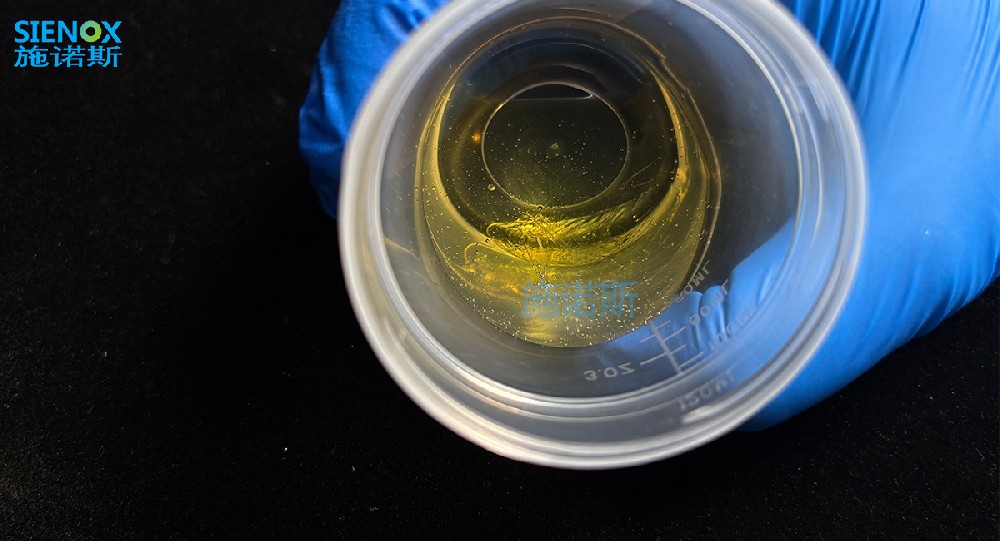
SIENOX Vacuum Defoaming Mixer‑Application Case for Polyurethane Materials
Perhaps you still need....
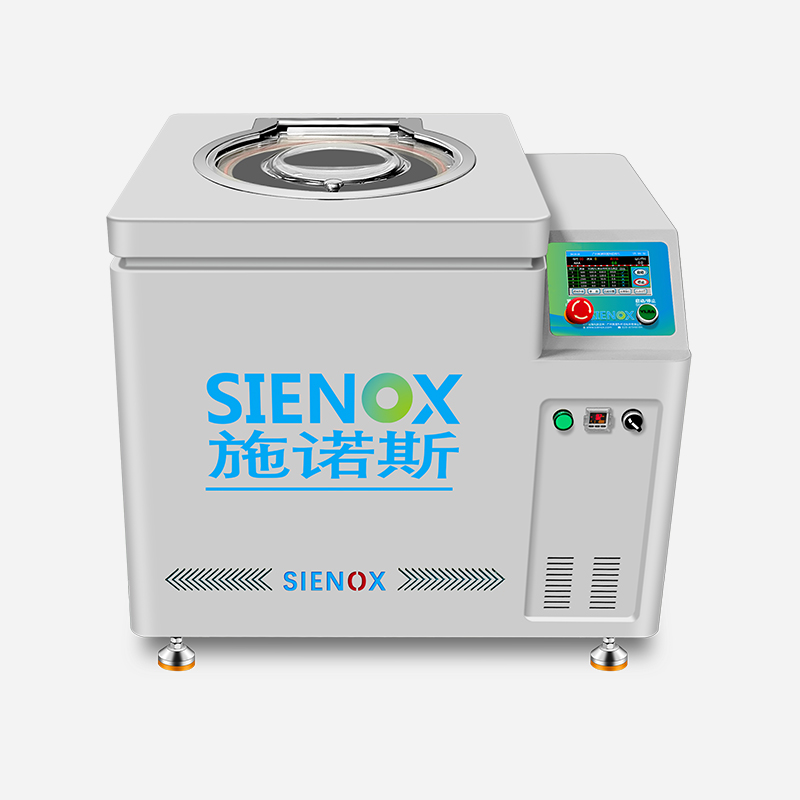
行星式真空脱泡搅拌机 SIE-MIX1000plus
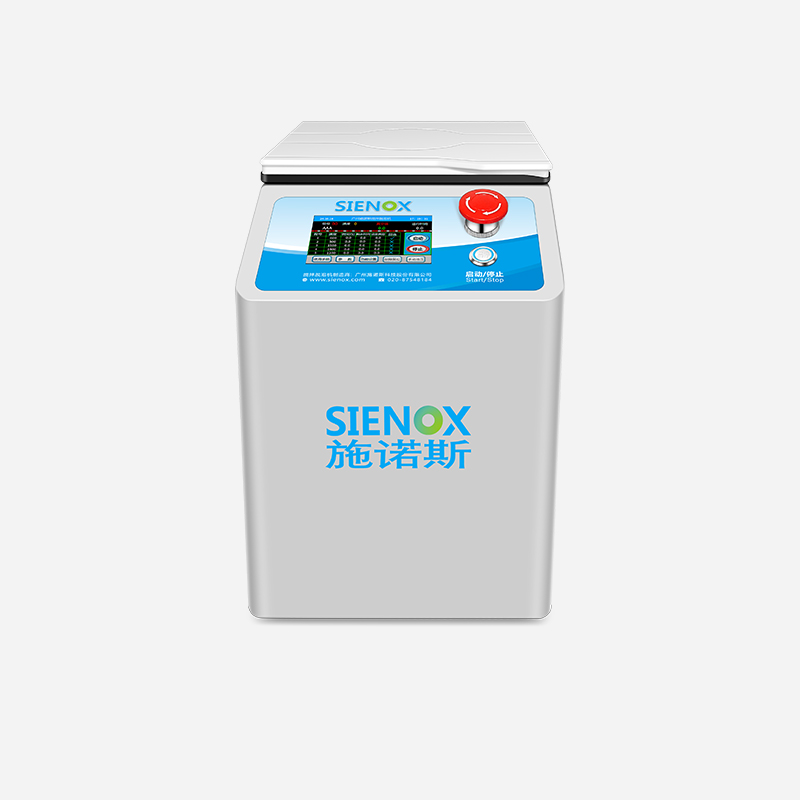
实验室行星式搅拌脱泡机 SIE-SV200
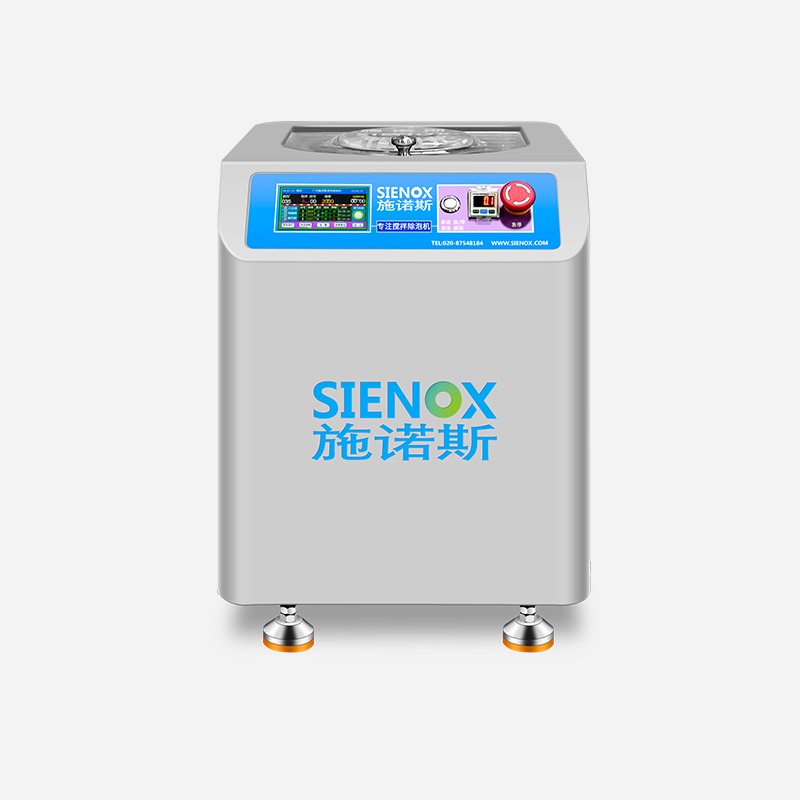
SIENOX行星式脱泡搅拌机 SIE-CV300
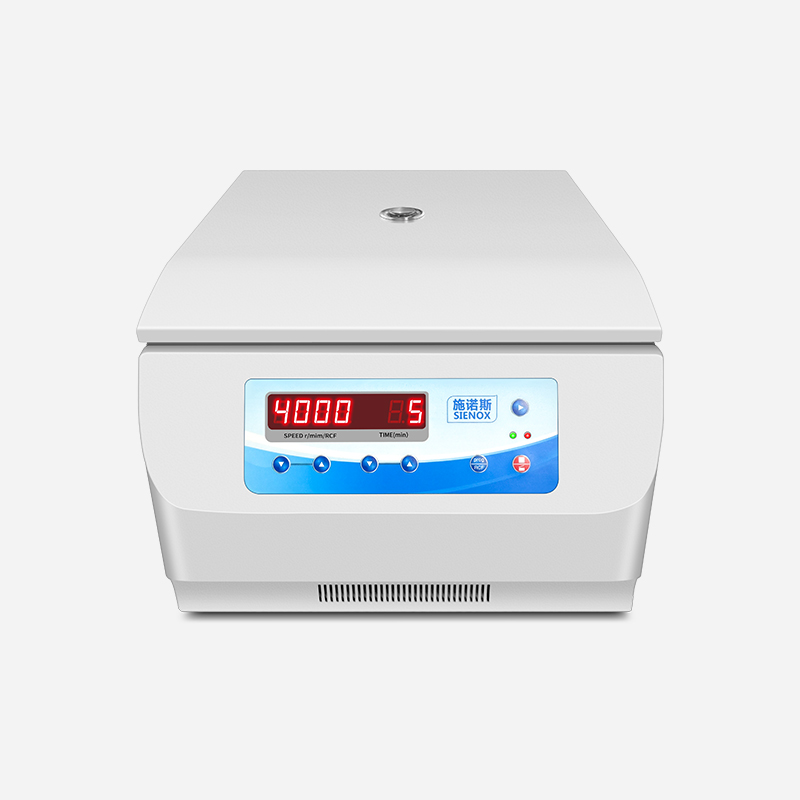
离心脱泡机 SIE-C006
About SIENOX
广州施诺斯(SIENOX),20年脱泡机设备研发与生产的源头厂家
超过1800种材料脱泡案例
纳米级脱泡,满足不同材料多段搅拌除泡需要,支持定制
资质齐全,荣获多项国家专利,联系我们可免费试样