


Pharmaceutical Paste

TEL:18925129293


Biomedical Industry Biomaterial Solutions
date:2026-09-03author:小施Biomaterial Stirring‑Defoaming Solution
Working Condition Requirements: Thoroughly remove micro‑bubbles incorporated during synthesis, mixing and preparation of biomedical biomaterials (bioceramics, medical polymer materials, tissue‑engineering scaffold materials, drug carrier materials, biodegradable materials, hydrogels, medical adhesives, artificial joint bone cement, dental restoration materials, drug sustained‑release matrices, etc.). Biomaterials feature wide viscosity range, high biological activity and extremely strict requirements for uniformity and purity. After defoaming, materials shall be dense, uniform and bubble‑free, meeting requirements for biocompatibility, mechanical performance and GMP production standards to guarantee safety and effectiveness for clinical applications.
Comparison Before and After Improvement
Before Improvement: The biomedical industry imposes stringent material quality requirements. Bubbles directly compromise biosafety and clinical performance of finished products. Conventional processing faces multiple challenges:
• Impaired biocompatibility: Residual bubbles inside biomaterials may trigger inflammatory responses and immune rejection after human implantation, severely endangering biocompatibility and clinical safety.
• Sub‑standard mechanical properties: Bubbles create internal defects within bioceramics, bone cement and other materials, greatly reducing compressive and flexural strength and failing mechanical requirements for implants.
• Uncontrollable drug release: Bubbles in drug carrier materials cause uneven porosity, resulting in poorly‑controlled drug release rates and compromised therapeutic effects & medication safety.
• Inhibited tissue ingrowth: Bubbles in tissue‑engineering scaffolds undermine connectivity and uniformity of pore structures, leading to unsatisfactory cell adhesion and tissue regeneration.
• GMP compliance risks: Traditional defoaming delivers low efficiency and poor consistency, hardly satisfying strict GMP requirements for batch consistency and traceability.
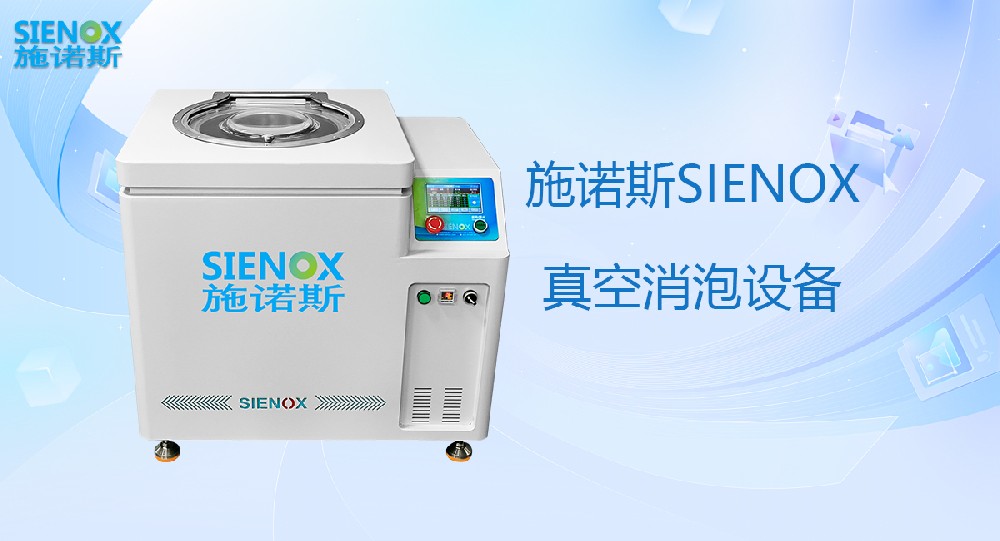
Solution: Tailored to practical demands from biomedical manufacturers, SIENOX provides the SIE‑MIX90 planetary vacuum stirring‑defoaming machine and supporting solutions:
1. Planetary vacuum stirring‑defoaming: Adopt SIE‑MIX90 planetary vacuum stirring‑defoaming machine. Combined revolution‑rotation dual‑motion trajectory realizes three‑dimensional mixing of biomaterials under centrifugal field. Meanwhile vacuum environment lowers bubble escape resistance for efficient removal of micron‑sized bubbles.
2. Low‑temperature defoaming for bio‑activity preservation: Vacuum defoaming under low‑temperature conditions avoids thermal damage to bioactive components such as proteins, growth factors and living cells.
3. Contact‑free mixing: No stirring paddles are used to prevent metal ion leaching and cross‑contamination and satisfy high‑purity requirements for biomaterials.
4. Precise PLC program control: Multiple groups of process parameters (speed, duration, vacuum level, temperature) can be stored. Dedicated programs for various biomaterial formulas can be called with one click to guarantee batch‑to‑batch consistency.
5. GMP‑compliant design: The machine complies with GMP standards, easy‑to‑clean and sterilizable. It supports process validation and data logging to meet regulatory requirements of biomedical industry.
6. Closed‑aseptic operation: Full‑process closed defoaming with optional inert gas purging prevents oxidative degradation and microbial contamination of biomaterials.
Sample Provider: Well‑known domestic biomedical enterprise
Test Conditions
Item | Parameter |
Test Model | SIE‑MIX90 |
Test Material | Biomedical biomaterials |
Test Rotation Speed | 1800 rpm |
Test Duration | 4 min |
Vacuum Level | -95KPa |
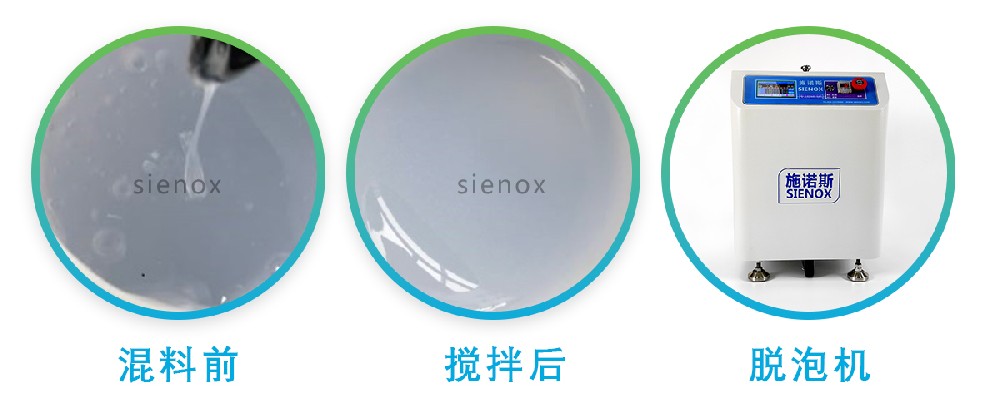
Effect Comparison Before and After Stirring‑Defoaming
Comparison Dimension | Before Stirring‑Defoaming | After Stirring‑Defoaming |
Bubble Content | Abundant micron‑sized bubbles, non‑uniform material | Bubbles largely eliminated, dense and uniform material |
Biocompatibility | Bubbles may induce inflammation and immune responses | Bubble‑free, significantly improved biocompatibility |
Mechanical Properties | Internal defects lead to strength degradation | Dense structure, greatly enhanced compressive / flexural strength |
Drug Release | Uneven porosity, uncontrollable release rate | Uniform porosity, precise and controllable drug release |
Tissue‑engineering Performance | Poor pore connectivity, unsatisfactory cell adhesion | Uniform pore structure conducive to cell ingrowth and tissue regeneration |
GMP Compliance | Large batch‑to‑batch deviation, hard‑to‑trace | Good batch consistency, verifiable and traceable process |
Mature Application Fields
• Bioceramics (artificial bone, artificial joint, dental implant)
• Medical polymer materials (absorbable suture, medical catheter, artificial blood vessel)
• Tissue‑engineering scaffold materials (bone tissue engineering, cartilage repair, skin regeneration)
• Drug carrier materials (sustained‑release microspheres, nanoparticles, hydrogel drug carriers)
• Biodegradable materials (PLA, PGA, PLGA and other degradable implants)
• Hydrogels (ophthalmic materials, wound dressings, drug delivery systems)
• Medical adhesives (orthopedic bone cement, tissue adhesives)
• Dental restoration materials (impression materials, restoration resin, ceramic slurry)
Related recommendations
Biomedical Industry Biomaterial Solutions
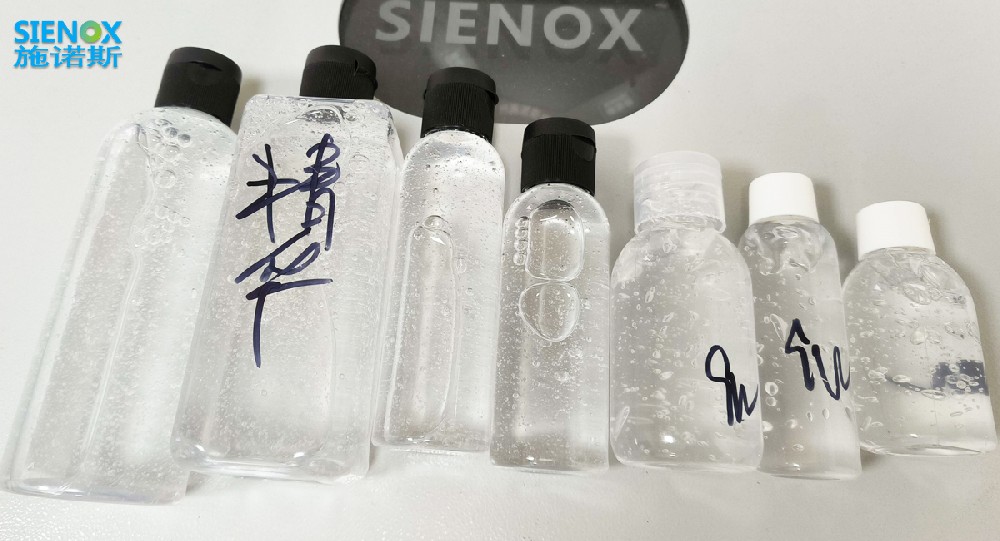
High‑Efficiency Defoaming Solution for 90,000‑cps Viscosity Gels
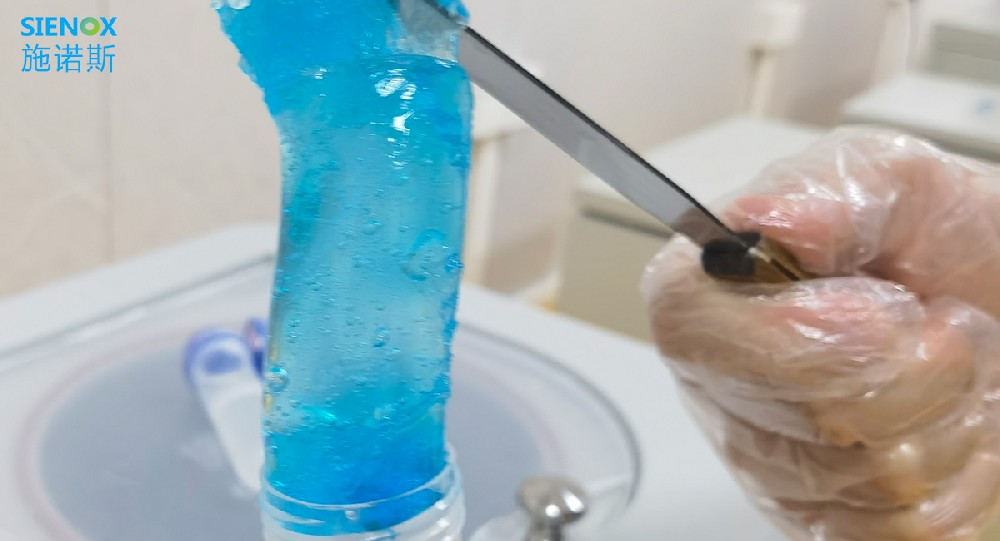
Stirring and Defoaming Solution for Pharmaceutical Gel Materials
Perhaps you still need....
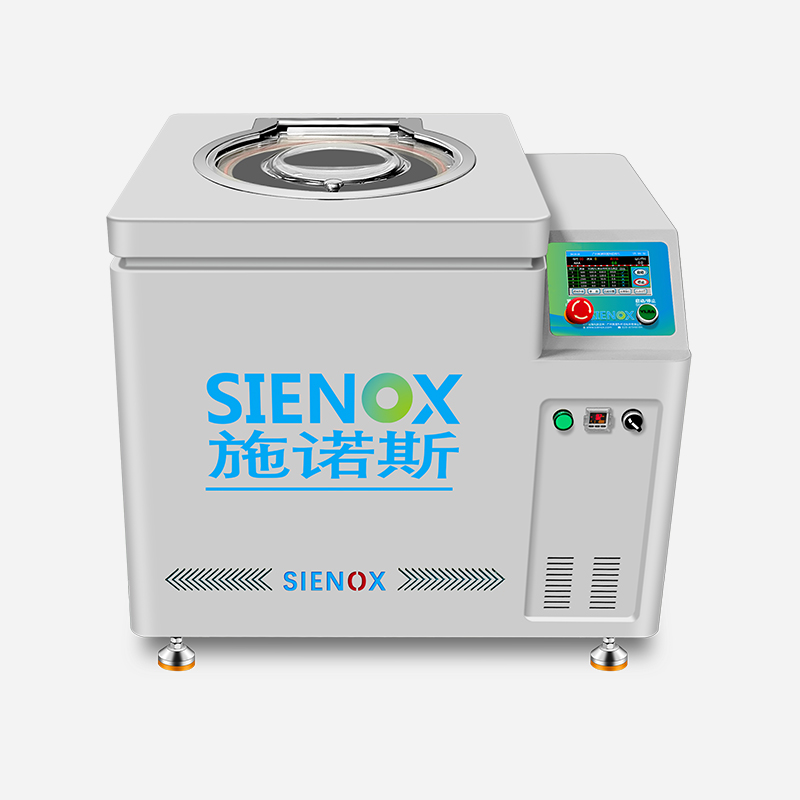
行星式真空脱泡搅拌机 SIE-MIX1000plus
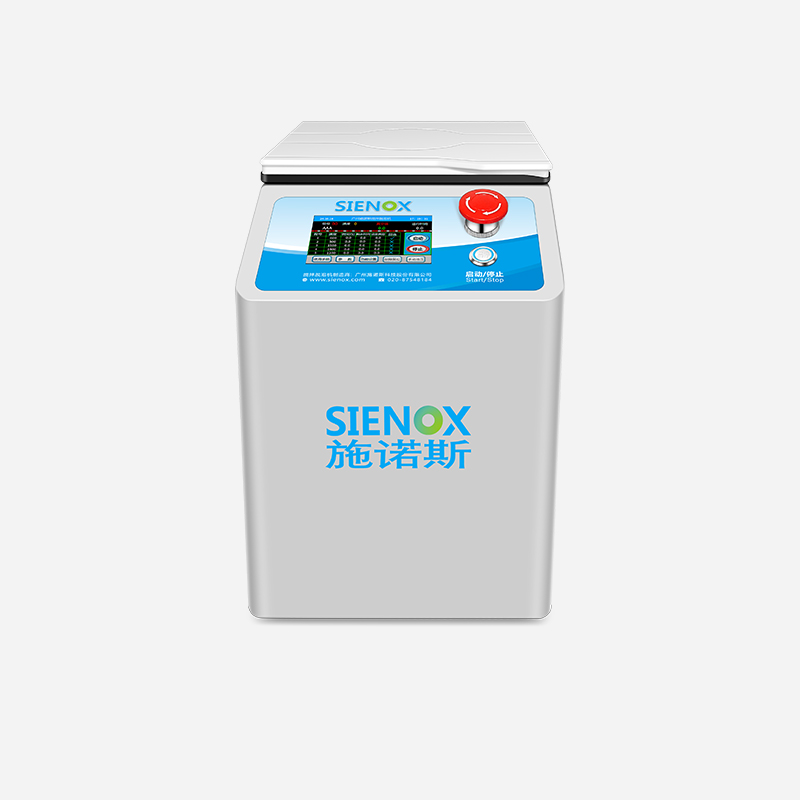
实验室行星式搅拌脱泡机 SIE-SV200
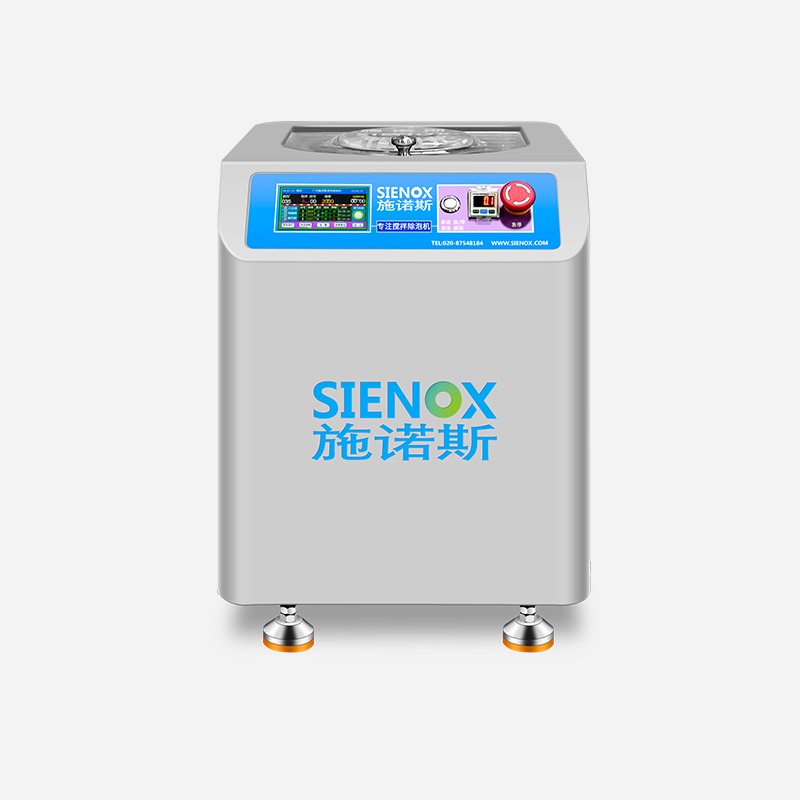
SIENOX行星式脱泡搅拌机 SIE-CV300
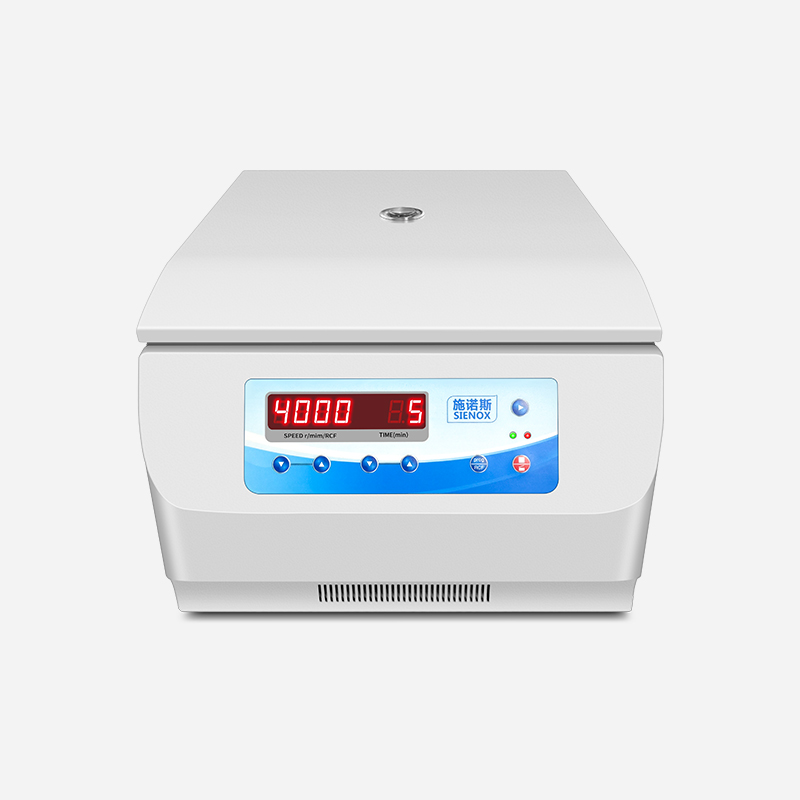
离心脱泡机 SIE-C006
About SIENOX
广州施诺斯(SIENOX),20年脱泡机设备研发与生产的源头厂家
超过1800种材料脱泡案例
纳米级脱泡,满足不同材料多段搅拌除泡需要,支持定制
资质齐全,荣获多项国家专利,联系我们可免费试样