


Silicone Resin

TEL:18925129293


Silicone / Silicone‑Rubber Mixing & Defoaming Solution
date:2026-09-02author:小施SIENOX Centrifugal Defoaming Solution for Silicone‑Rubber Parts
Working Requirements: Thoroughly remove stubborn micro‑bubbles mixed into silicone‑rubber materials during compounding and preparation, including silicone products, medical‑grade silicone, electronic potting silicone, food‑grade silicone, industrial silicone, silicone molds, silicone tubes and so forth. Silicone‑rubber features high viscosity and great elasticity, so bubbles cannot escape naturally. After defoaming, the material shall be uniform and fine with smooth and bubble‑free surfaces after molding, qualified physical properties, and meet high‑quality requirements for silicone products in medical, food, electronic and other industries.
Comparison Before and After Optimization
Before Optimization: Silicone product manufacturers commonly face the following pain points:
• Silicone‑rubber has high viscosity and high elasticity. Micro‑bubbles generated during compounding are trapped inside the colloid. Conventional static defoaming takes hours or even days with extremely low efficiency.
• Residual bubbles cause pinholes and uneven surfaces on molded silicone parts, severely ruining appearance quality. Medical‑grade and food‑grade products fail to meet hygiene standards.
• Bubbles create discontinuous internal structures, reducing tensile strength, tear strength, resilience and shortening service life of silicone products.
• Residual bubbles in medical‑grade and food‑grade silicone products may trigger bacterial growth and substance precipitation, bringing potential safety hazards.
• Bubbles in electronic potting silicone result in incomplete sealing. Moisture ingress accelerates corrosion of electronic components and greatly lowers product reliability.
Solution: According to actual production demands of silicone product manufacturers, SIENOX provides the C012 centrifugal defoamer and supporting solutions:
1. High‑speed centrifugal defoaming: Adopt C012 centrifugal defoamer. High‑speed centrifugal force rapidly throws out stubborn micro‑bubbles inside silicone‑rubber. Efficient separation between bubbles and colloid is achieved within several minutes.
2. High efficiency: Centrifugal defoaming is far more efficient than static degassing, greatly shortening production cycles and improving productivity.
3. Improved surface quality: Fully‑defoamed silicone‑rubber delivers smooth, fine molded surfaces free of pinholes and irregularities with excellent appearance.
4. Guaranteed physical performance: Defoamed silicone products own dense and continuous internal structures with remarkably enhanced tensile strength, tear strength and resilience.
5. Precisely controllable parameters: Adjustable centrifugal speed and duration allow precise process optimization for different silicone formulations to guarantee batch‑to‑batch consistency.
Sample Provider: A well‑known domestic silicone‑product manufacturer
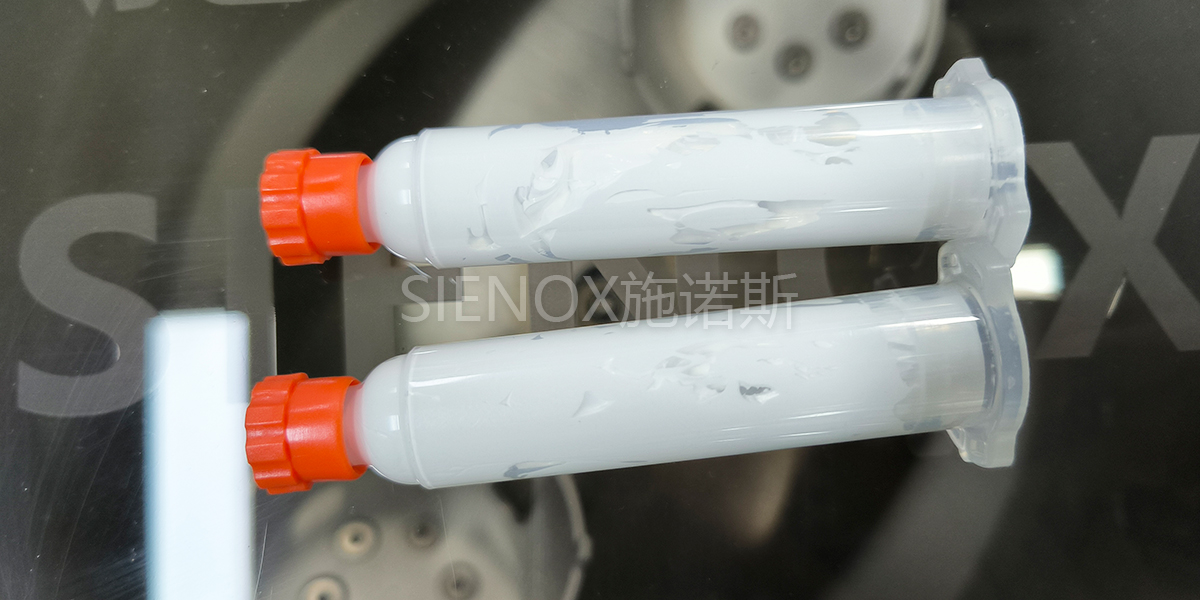
Test Conditions
Item | Parameter |
Test Model | Centrifugal Defoamer C012 |
Test Material | Silicone‑Rubber Material |
Test Rotation Speed | 1500 rpm |
Test Duration | 3 minutes |
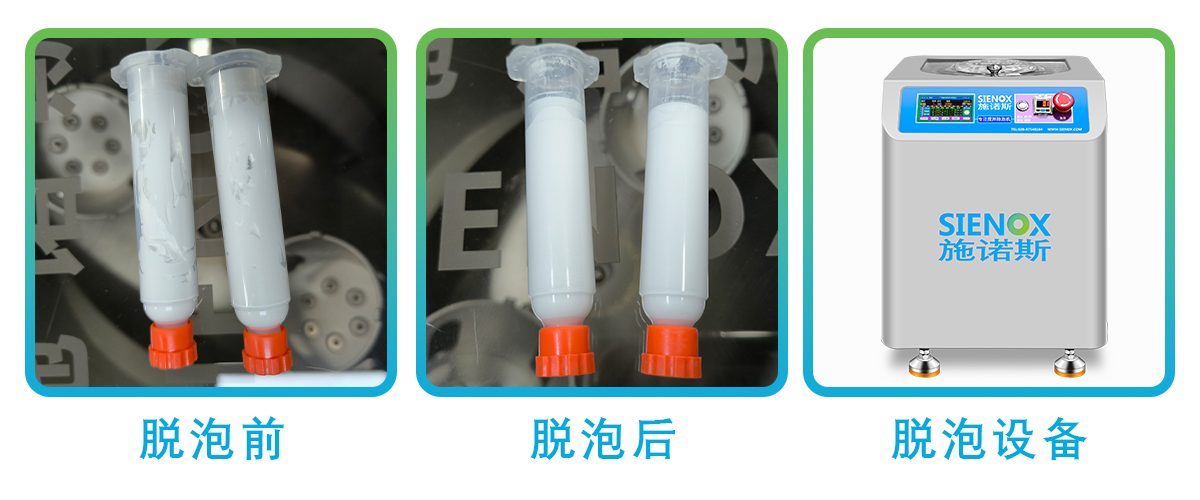
Defoaming Effect Comparison
Comparison Item | Before Defoaming | After Defoaming |
Bubble Content | Plenty of stubborn micro‑bubbles, uneven colloid | Bubbles almost eliminated, dense and uniform colloid |
Molded Appearance | Pinholes and uneven surfaces | Smooth and fine surfaces, no bubble‑related defects |
Physical Properties | Reduced tensile strength and tear strength | Significantly improved physical performance, excellent resilience |
Medical & Food‑grade Safety | Bubbles may lead to bacterial growth | Bubble‑free, compliant with hygiene and safety standards |
Electronic Potting Reliability | Incomplete sealing, vulnerable to moisture ingress | Complete sealing, greatly enhanced long‑term reliability |
Production Efficiency | Static degassing for hours or even days | Completed within minutes, substantial efficiency improvement |
Mature Application Fields
• Medical‑grade silicone products (medical device accessories, medical catheters, silicone sealing parts)
• Food‑grade silicone products (food molds, silicone kitchenware, food transfer hoses)
• Electronic potting silicone (potting protection for power modules, sensors and control units)
• Silicone molds (craft molds, industrial forming molds, replica‑casting silicone)
• Silicone tubes (medical catheters, food transfer hoses, industrial flexible hoses)
• Industrial silicone seals (O‑rings, gaskets, damping pads)
Related recommendations
Silicone / Silicone‑Rubber Mixing & Defoaming Solution
Silicone / Silicone Rubber Stirring & Defoaming Solution
Perhaps you still need....
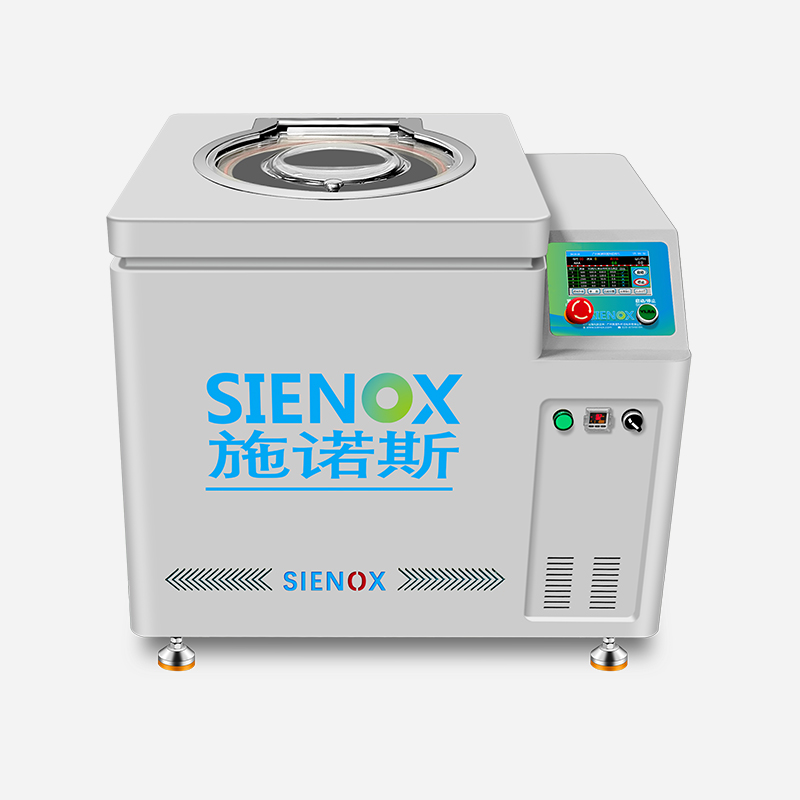
行星式真空脱泡搅拌机 SIE-MIX1000plus
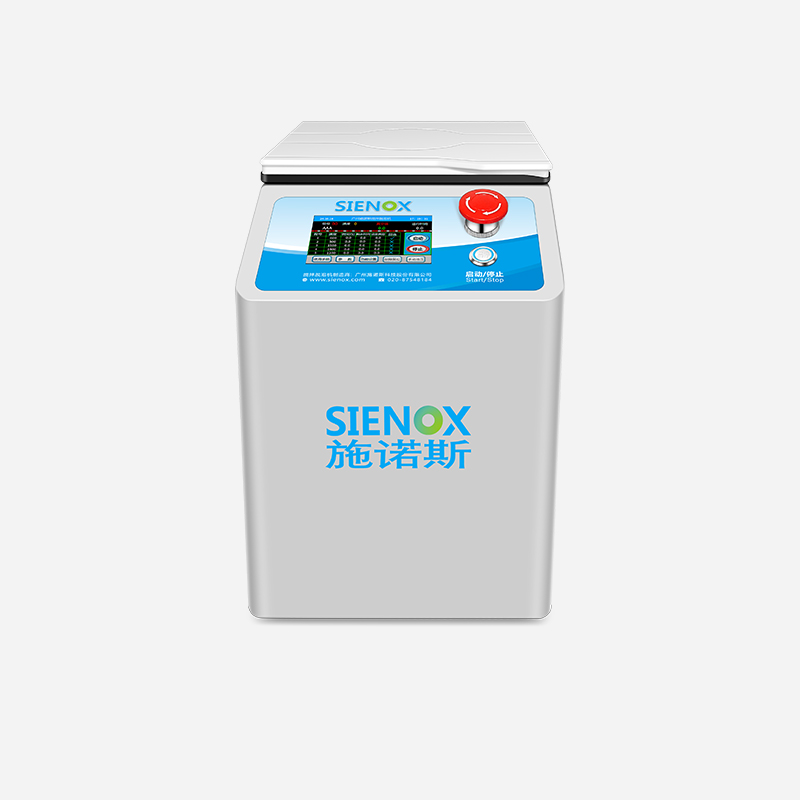
实验室行星式搅拌脱泡机 SIE-CV200
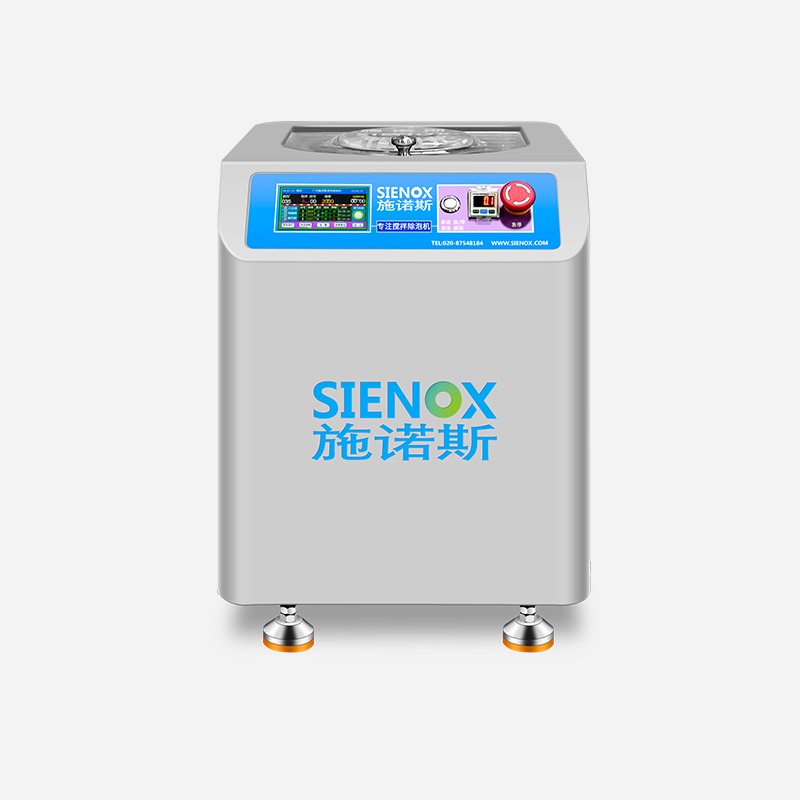
SIENOX行星式脱泡搅拌机 SIE-CV300
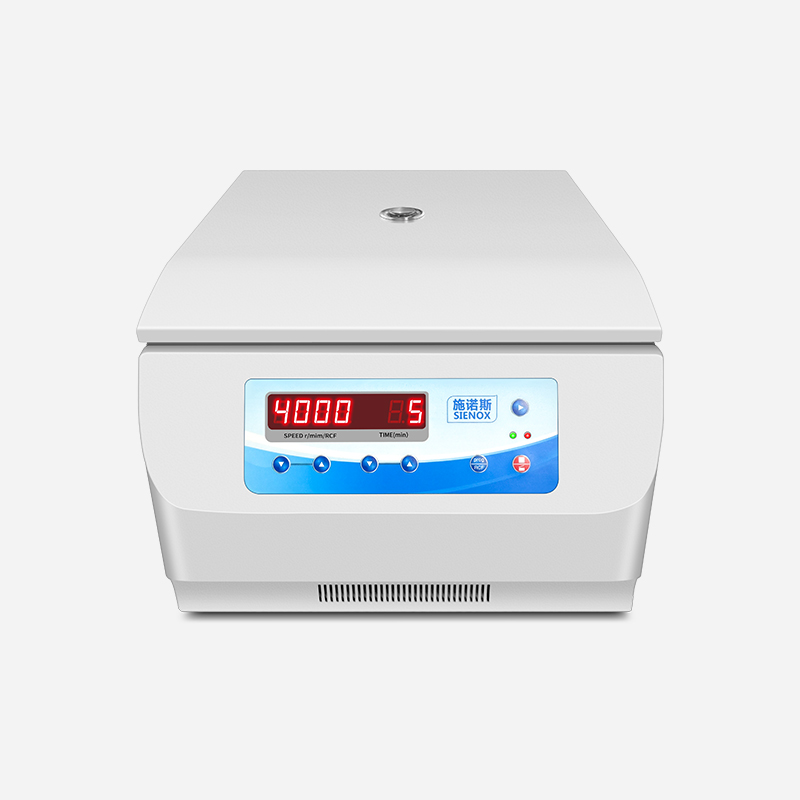
离心脱泡机 SIE-C006
About SIENOX
广州施诺斯(SIENOX),20年脱泡机设备研发与生产的源头厂家
超过1800种材料脱泡案例
纳米级脱泡,满足不同材料多段搅拌除泡需要,支持定制
资质齐全,荣获多项国家专利,联系我们可免费试样